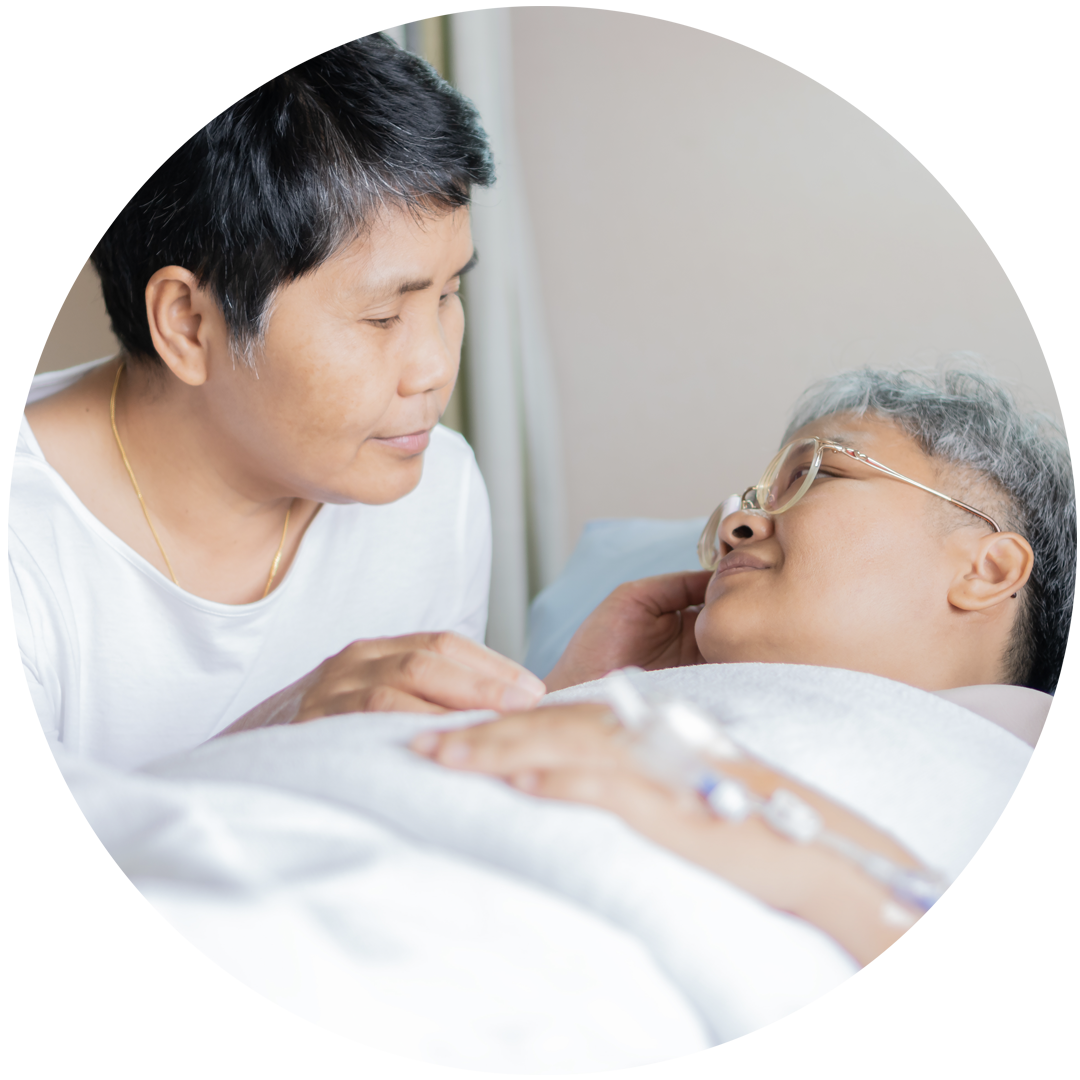
Staff members at facilities caring for older adults may be committed to discussing end-of-life care with dying people and family members—but need additional training and resources to do so, concludes a qualitative study out of Flinders University in Australia.
In-depth conversations with 64 staff members, including nurses, care managers, and support workers, revealed the nuance and dynamics of finding “the right time” to talk with families. “The ‘right time’ for conversations did not present as a single moment but developed as a cumulative and evolving process,” Dr. Priyanka Vandersman, the study’s lead author, said.
Researchers found that building confidence and changing tactics in leading conversations about end-of-life care can help support families’ understanding of their loved ones’ condition. “When there is no prognosis or families are reluctant to discuss end-of-life plans, staff use various strategies to describe symptoms and changes in an older person’s functions, with experienced clinical staff being more direct about deterioration,” Vandersman said. “Therefore, confidence, role clarity, and medical endorsement influence communication.”
Finding FAME
While each doula has their own gifts that they bring to their practice—and while various training models such as the INELDA Doula Approach provide a specific framework for practice—researchers at Jacksonville State University in Alabama have identified a model of practice shared by the 23 practicing doulas in the United States for their study, recently published in Omega–Journal of Death and Dying.
Known as the FAME model—facilitator, advocate, mediator, and educator—the researchers’ findings aim to encapsulate how doulas themselves conceptualize their roles. “When we asked doulas, ‘How would you define an end-of-life doula?’ or ‘What are the primary roles and responsibilities of an end-of-life doula?’ many participants initially responded with some version of ‘we do everything’…” the authors write. Through the interview process, the researchers identified patterns that arose when doulas shared what they actually did as doulas. Notably, they omitted “support” as a part of their model, as support was found to underlie all other functions.
The State of Doula Standardization
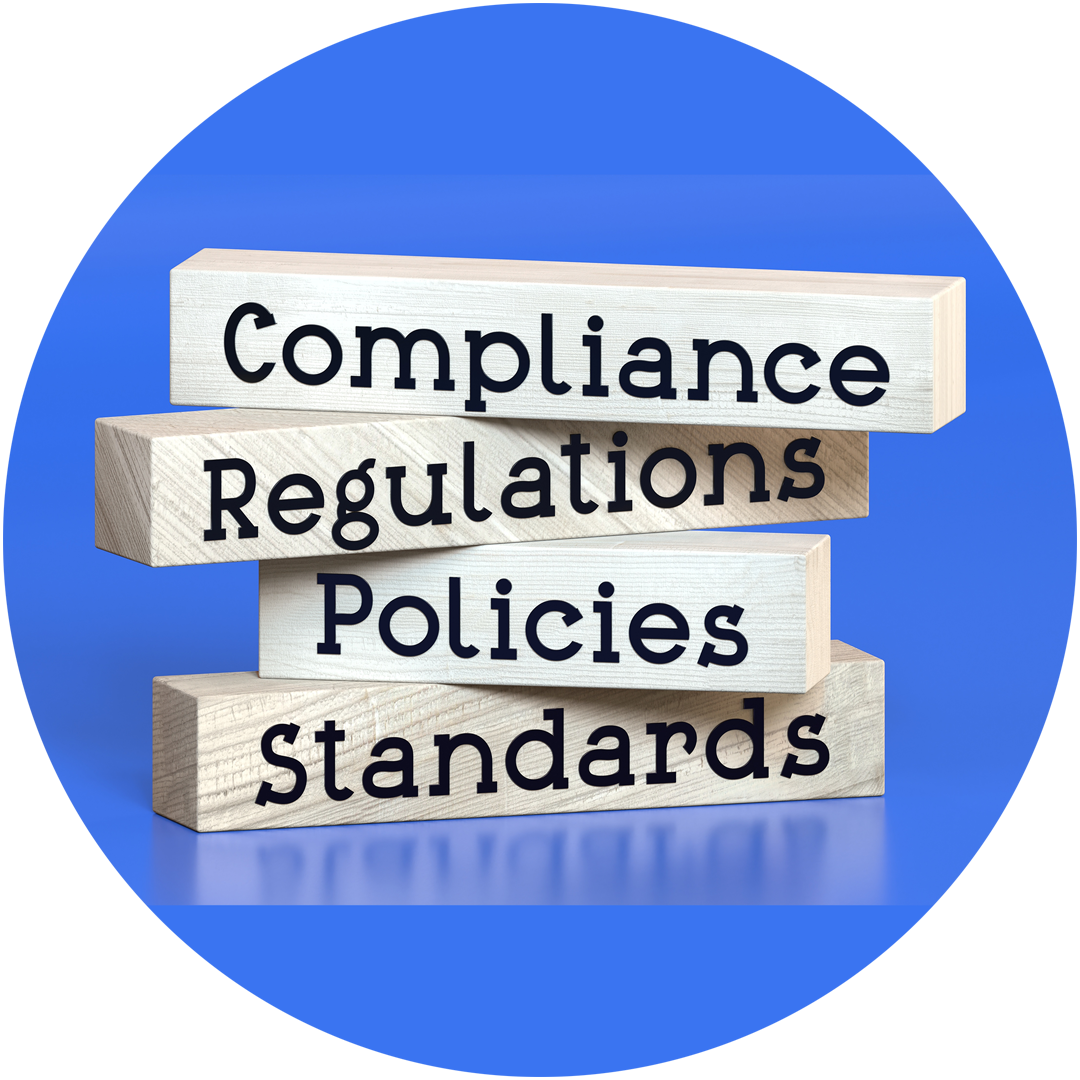
Modern doula practices may have begun in part as a response to systematized care—but as the field grows, so too does the debate around systematizing doula care. Hospice News recently published an overview of the debate around standardization for doulas, spanning Medicare coverage for doula services, training standardization, and the burden of regulatory scrutiny in providing care that currently hinges on flexibility.
While some doula organizations, including INELDA, offer certifications, the lack of a federally recognized standardized doula training can mean that quality and scope of care may vary dramatically among practitioners, as well as making the field ineligible for reimbursement through Medicare. Proponents of standardization also argue that a clear delineation of the doula role can help prevent overlap with other professionals at end-of-life care, allowing doulas to focus more intently on providing care within a defined scope.
In defining that scope, however, regulation carries potential to impede what some doulas see as the heart of their work—the ability to provide adaptable presence as needed. Were they to become a formal part of the system that has medicalized end-of-life care in ways that hinder the autonomy of the dying person, some doulas reported to Hospice News that they fear the essence of doula care could be diminished.
“The entire end-of-life care system in this country needs to recognize that we are in a liminal time,” Dieter told Holly Vossel of Hospice News. “A time that calls for reimagining a different way to provide the care that this population of patients needs and deserves. [This] likely will need to rise up from the [doula] community, as opposed to being imposed from the government.”