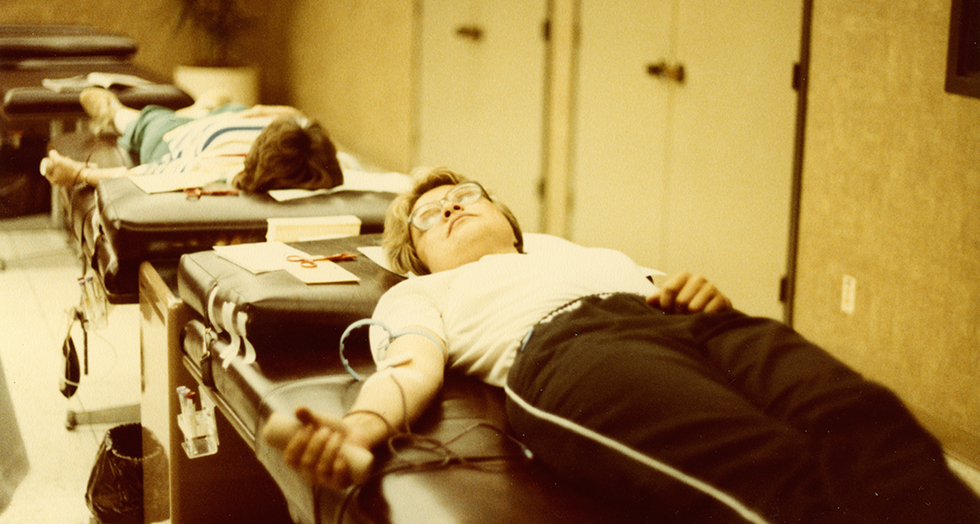
Blood Sisters blood drive, 1983 (P253.017), L2013.23 Jeri Dilno collection, courtesy of Lambda Archives of San Diego.
|
Why the “L” Comes First: The Lesbian Community and Direct Care During the Height of AIDS
|
When it comes to HIV/AIDS, what we need to get on the same page about real quick is that the United States government and medical institutions failed the queer community. We will not be sugar-coating this. We will not be speaking gently.
The willingness to fail undesirable communities—that is, queer men and trans folks—resulted in the global spread of a virus that has infected almost 100 million people since 1981, killing over 44 million. It is still with us: Today, three people are newly infected every minute around the world.
|
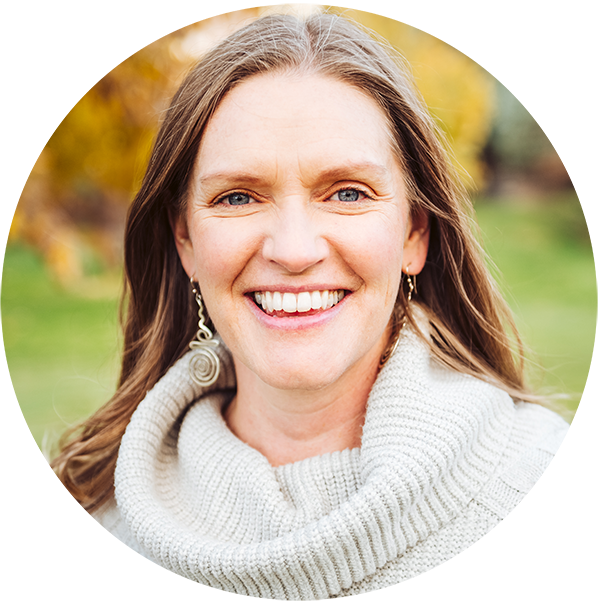
Rose Zealand is a certified financial planner, certified financial transitionist, and end-of-life doula who has built a unique practice at the intersection of money, mortality, and meaning. She serves clients throughout Colorado.
Through Golden Thread Collaborative, she supports individuals and families navigating serious illness, caregiving, aging, grief, end-of-life planning, and the many financial, logistical, emotional, and existential challenges that accompany these experiences. Her work is grounded in a simple observation: When mortality enters the conversation, every other conversation changes.
|
When and why did you decided to become and end-of-life doula?
|
I was a birth doula in my 20s, and when my dad died in 2022, my strongest reflections in the immediate aftermath of his death were that:
-
It was magical to witness his death.
-
Birth and death are basically the same thing, just different.
-
And there has to be a better way to “do death.”
A few months after he passed, I was sharing these reflections with a retired hospice doctor and I said, “There should be death doulas.” When she said, “There are! That’s a thing!” I knew instantly that I needed to be one. I felt it as deeply and as clearly as when I learned of the existence of birth doulas.
|
INTEGRATING END-OF-LIFE DOULAS INTO CLINICAL MODELS
|
Location: Zoom
Educator: Nicole Heidbreder
Price: $130 (discounts and payment options available)
|
END-OF-LIFE DOULA TRAINING
|
July 10-18
FRIDAYS 5-9pm ET, SATURDAYS 10am-7pm ET
|
Location: Zoom
Educator: Marady Duran
Price: $995 (discounts and payment options available)
|
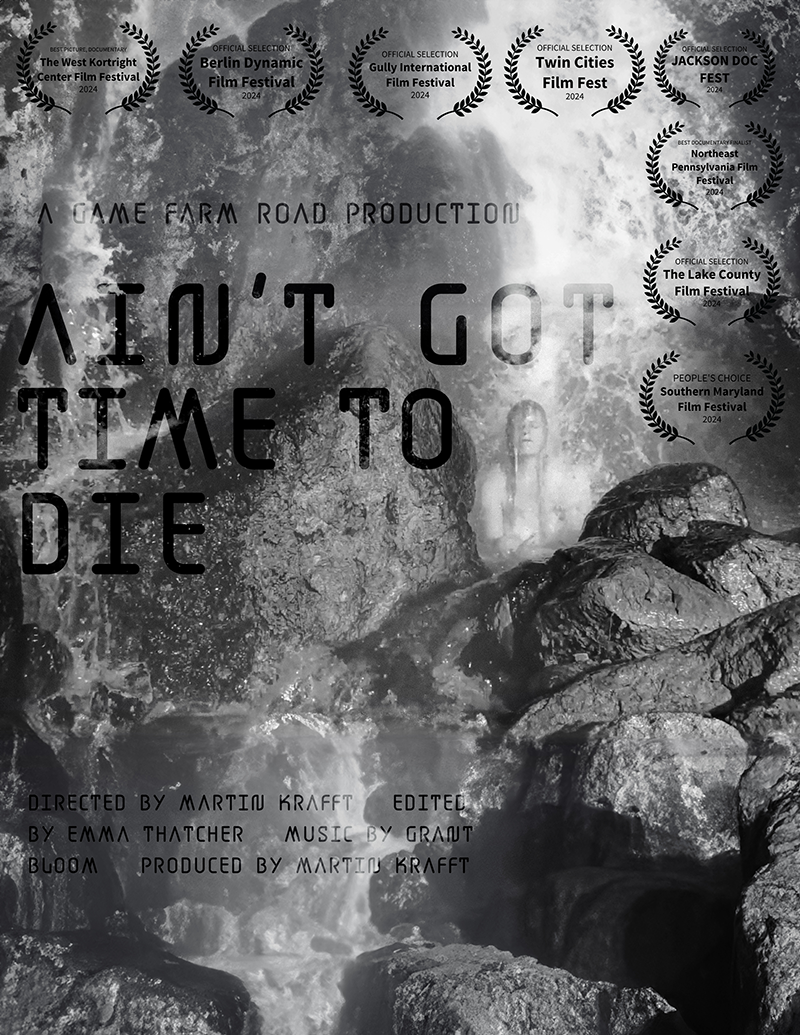
After a long-awaited move to Montana to live out of her RV, wild woman Rachel Heysham receives a terminal cancer diagnosis that forces her back home to confront a complicated past. The documentary filmmaker following her story becomes increasingly involved in her life and must grapple with the weight of that responsibility.
|
McElhattan Foundation Invests in INELDA to Advance System-Integrated End-of-Life Care in Pittsburgh
|
INELDA was excited to announce in May a $150,000 grant from the McElhattan Foundation to support the development of a durable, scalable, community-based end-of-life care model in Pittsburgh. Aimed at addressing gaps and accessibility of care in communities with extreme needs, the initiative will advance a more integrated approach to end of life across the city. INELDA will convene stakeholder gatherings and offer educational opportunities throughout the year to help shape this community-driven model.
|
Serious Illness Doulas in South Carolina
|
Educator Neiasha Russell joined staff, volunteers, and community care providers at Hospice and Palliative Care of the Piedmont in South Carolina for serious illness doula training. This training centered on delivering care to those living with a serious illness and how to utilize the INELDA Doula Approach with this population.
|
CCAC End-of-Life Symposium
|
This May, educator Nzinga E. Abdullah-Aziz and INELDA’s director of partnerships and communications, Loren Talbot, presented at the Community College of Allegheny County’s end-of-life symposium, Bridging Gaps: Strengthening End-Of-Life Care Through Education in Nursing. Their presentation, “Integrating End-of-Life Doula Support for the Unhoused: Developing Care in Pittsburgh,” discussed the grant INELDA was awarded in 2024 by the McElhattan Foundation.
|
INELDA + Inhora = OMEGA Home Network Conference
|
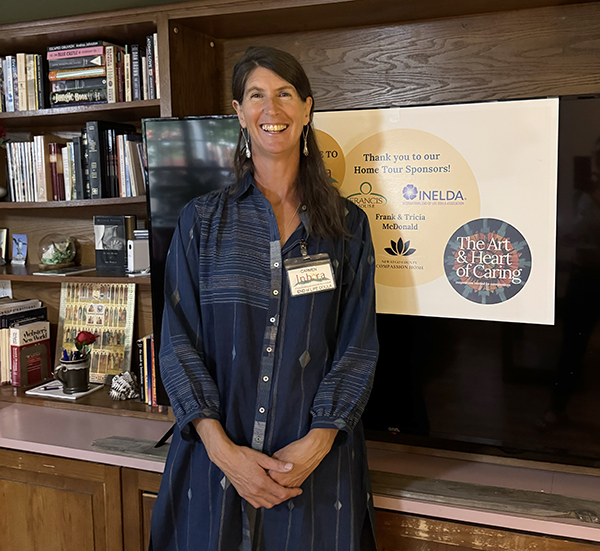
In early June, participants gathered from around the country for the Omega Home Network National Conference. Director of education Omni Kitts Ferrara presented INELDA’s Doula-In-Residency program at Inhora (which happened to be the conference host!) alongside Inhora’s executive director Miles Gloetzner and doula-in-residence Carmen Harris. To learn more about the program or to bring it to your community, contact [email protected].
|
Welcome Anthea and Yesenia
|
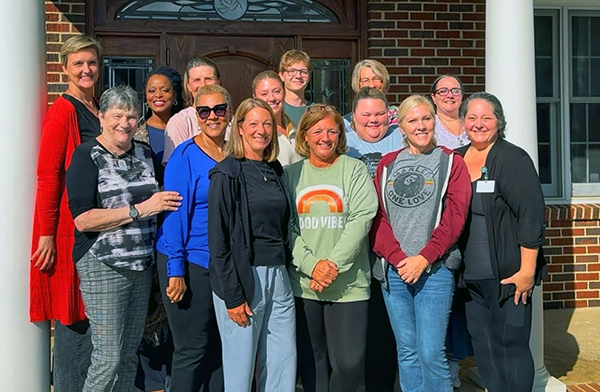
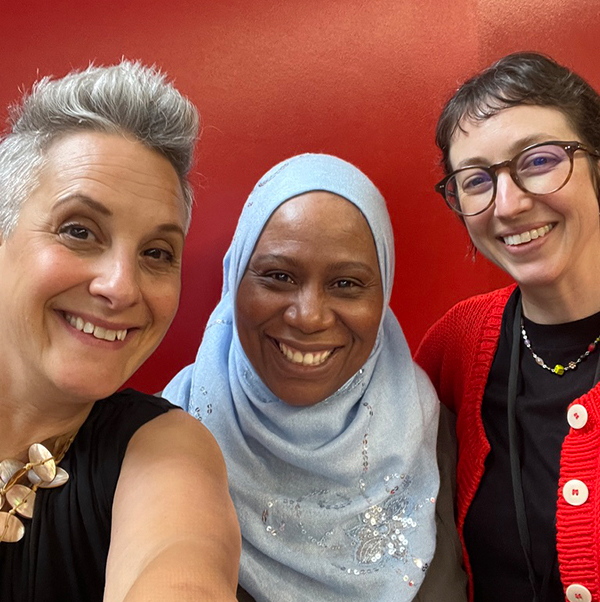
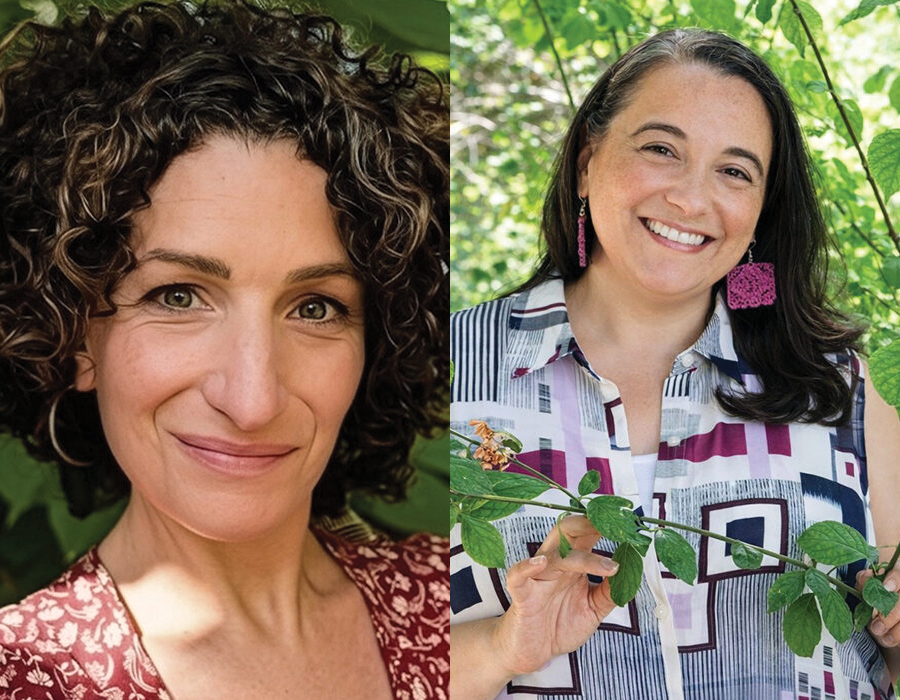
This past month we were lucky to have two new colleagues join us at INELDA. Educator Anthea Grimason is a certified INELDA end-of-life doula and clinical counseling student specializing in existential psychology, psychedelic-assisted therapy, grief, and addiction. Yesenia Lira‑Baus joined as an educator assistant. She is an end‑of‑life doula weaving together emotional support, spiritual exploration, and nature‑based healing. Her background spans mental health, elder care, housing, and multicultural education. We are excited to welcome these two individuals as part of the team!
|
INELDA educator Omni Kitts Ferrara, director of partnerships and communications Loren Talbot, and INELDA-trained doula Kim Nicholetti appeared in a June 2026 Newsday article, “Long Island’s death doulas offer emotional, spiritual and practical support to individuals at the end of life” (paywall).
|
This past April 2026, Connecting Directors, a funeral industry publication, featured executive director Douglas Simpson sharing his perspective on the “Nicole Kidman effect” and the ripples it has on the end-of-life doula community.
|
Building Grief and Deathcare Support for Communities of Color with PAUSE
|
June 24 | WED 7 – 8:30pm ET
|
PAUSE, an organization devoted to supporting people of color in grief, launched in the summer of 2020, in response to the murder of George Floyd. Join PAUSE founder Alica Forneret and INELDA educator Erika Lim in a powerful conversation about the roots of the organization, the necessity of grief resources for communities of color, and how PAUSE is strengthening networks of grief-informed professionals—from doulas and social workers to human resources leaders—to rebuild systems of care that center dignity, belonging, and mutual aid.
|
From the development of community-based programs to end-of-life ecosystem mapping, discover the profound impact PAUSE is having in the Los Angeles area and throughout the nation.
Alica Forneret (she/her) is the founder and executive director of PAUSE. Alica is currently a guest facilitator with Humane Prison Hospice Project and Claire Bidwell Smith’s grief training program, and is an expert contributor with Help Texts. Alica previously held roles as the COO of Going With Grace and the program lead and content strategist for School Crisis Recovery and Renewal’s Pedagogy of Grief. She’s a member of Coalition to Transform Advanced Care, Association of Death Education and Counseling, SAGE, and the California Black Healthcare Network. She previously sat as an associate board member for Our House and an inaugural member of the BC Women’s Health Foundation Young Women’s Council.
|
Cost: Free for Tier 2 & 3 members | Tier 1 & Non-members $15
|
“I recommend this invaluable resource for knowing the law and ethical discussions on Voluntarily Stopping Eating and Drinking (VSED). The book, Voluntarily Stopping Eating and Drinking, edited by Timothy E. Quill, Paul T. Menzel, Thaddeus M. Pope, and Judith K. Schwarz, may help doulas understand the legal options around this choice.”
—Sabrina Hearst
|
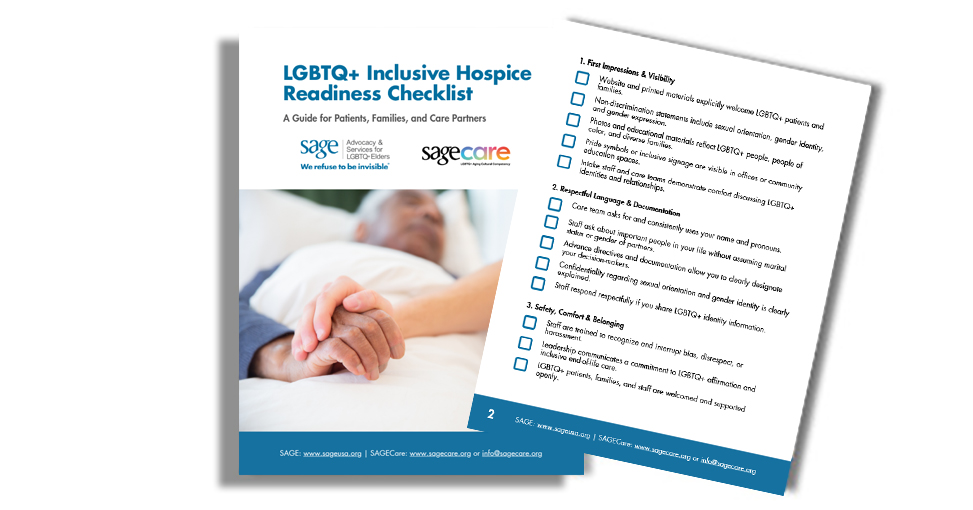
Our friends at SAGE and SAGECare have created easy checklists for individuals seeking hospice and for provider organizations to help identify hospice spaces that are welcome and affirming to LGBTQ+ patients, partners, chosen family, and caregivers.
The downloadable checklists highlight what to look for (if you are seeking services) or to provide (if you offer services), from visible nondiscrimination policies and inclusive materials to respectful language (including names and pronouns), confidentiality around sexual orientation and gender identity, bias-interruption training, and inclusive bereavement and spiritual care, so you can feel safer, respected, and supported throughout end-of-life care.
|
What does it mean to have a trauma-informed approach?
—Training Participant
|
Educator Assistant Adrian Molina: As a trauma-informed coach, I discuss how a trauma-aware approach recognizes that many people have experienced trauma, whether or not they speak about it or are consciously aware of its impact. None of us is immune to suffering. By understanding how trauma can shape our thoughts, emotions, behaviors, relationships, and overall well-being, we can develop greater compassion for ourselves and others. We can create spaces that are more inclusive of people’s lived experiences and less likely to cause harm. A trauma-aware approach invites us to meet people with curiosity rather than judgment, honoring their experience without requiring them to explain or relive it. This shift helps us relate to one another with greater dignity, respect, and humanity, especially during life’s most vulnerable moments.
|
Self-Care and the Loss We Cannot Fix
|
One thing I have been reflecting on lately is that I seem to be much better at taking care of myself when I am facing losses that feel inevitable.
If someone I love dies, if I am grieving a chapter of life that has ended, or if I am facing something that cannot be undone, I generally know how to respond. I allow myself to feel sad. I make space for the grief. I rest when I need to. I reach out for support. In those moments, self-care feels accessible.
–Adrian Molina
|
Supporting Care Worker Communication
|
Staff members at facilities caring for older adults may be committed to discussing end-of-life care with dying people and family members—but need additional training and resources to do so, concludes a qualitative study out of Flinders University in Australia.
|
While each doula has their own gifts that they bring to their practice—and while various training models such as the INELDA Doula Approach provide a specific framework for practice—researchers at Jacksonville State University in Alabama have identified a model of practice shared by the 23 practicing doulas in the United States for their study, recently published in Omega–Journal of Death and Dying.
|
The State of Doula Standardization
|
Modern doula practices may have begun in part as a response to systematized care—but as the field grows, so too does the debate around systematizing doula care. Hospice News recently published an overview of the debate around standardization for doulas, spanning Medicare coverage for doula services, training standardization, and the burden of regulatory scrutiny in providing care that currently hinges on flexibility.
|
The Sunset and the Purple-Flowered Tree
|
by Joshua Jennifer Espinoza
|
I talk to a screen who assures me everything is fine.
I am not broken. I am not depressed. I am simply
in touch with the material conditions of my life. It is
the end of the world, and it’s fine. People laugh
about this, self-soothing engines sputtering
through a nosedive. Not me. I’ve gone and lost my
sense of humor when I need it most. This is why I
speak smoke into a scene. I dance against language
and abandon verse halfway through, like a broken-
throated singer. I wander around the front yard,
pathless as a little ant at the tip of a curled-up
cactus. Birds flit in and out of shining branches.
A garden blooms large in my throat. Color and life
conspire against my idea of the world. I have to
laugh until I am crying, make an ocean to land
upon in this sea of flames. Here I am.
Another late-winter afternoon,
the sunset and the purple-flowered tree
trying their best to keep me alive.
|
© INELDA 2026 International End-of-Life Doula Association is a
501(c)(3) tax-exempt nonprofit organization that relies on public support to do it’s work.
|
|