Where Hospice Has No Translation
|
I read the news every morning. It is an occupational habit as much as a personal one. I work in the end-of-life field, and these days death has become more present in the news, which makes sense.
More than 11,000 people living in the United States are turning 65 every single day right now, and by 2030 every baby boomer will be 65 or older.
One in five Americans will be a senior citizen.
The conversation about aging and dying is no longer something we can postpone.
|
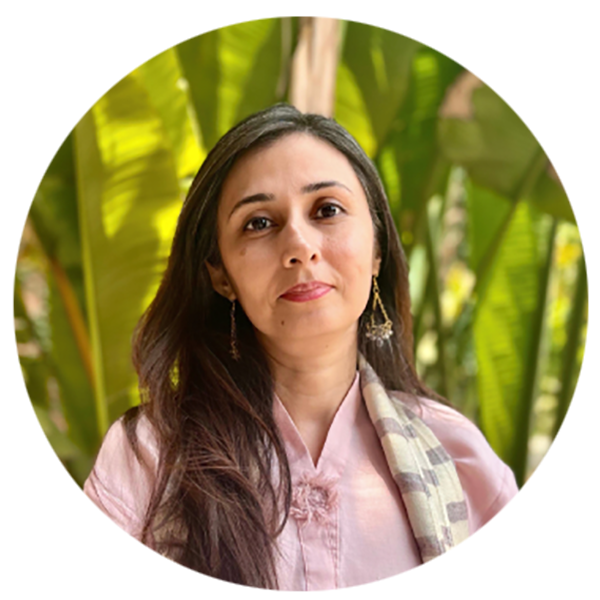
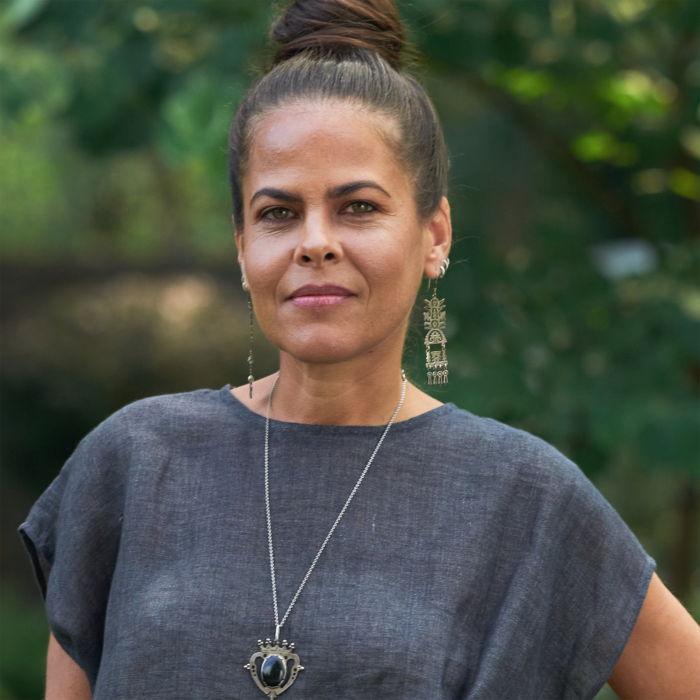
Sophia is an ancestral healing practitioner, psychopomp, and INELDA-trained end-of-life doula working at the intersection of Islamic spirituality, South Asian cultural traditions, and shamanic practices. She supports individuals and families navigating death, grief, and ancestral wounds through a culturally resonant framework. She resides in Lahore, Pakistan, where she cares for her aging parents while raising her two children and an ever-growing family of cats.
|
When and why did you decided to become and end-of-life doula?
|
I came to end-of-life doula work as a natural continuation of my training as an ancestral healing practitioner and psychopomp. In many ways, I see this as reclaiming work that my ancestors once did—sacred death companionship that existed long before colonization and the rapid industrialization of the modern world fragmented our traditional death practices.
|
END-OF-LIFE DOULA TRAINING
|
April 23-26
THU/FRI 5-9pm ET, SAT/SUN 10am-7pm ET
|
Location: Zoom
Educator: Kim Stravers
Price: $995 (discounts & payment options available)
|
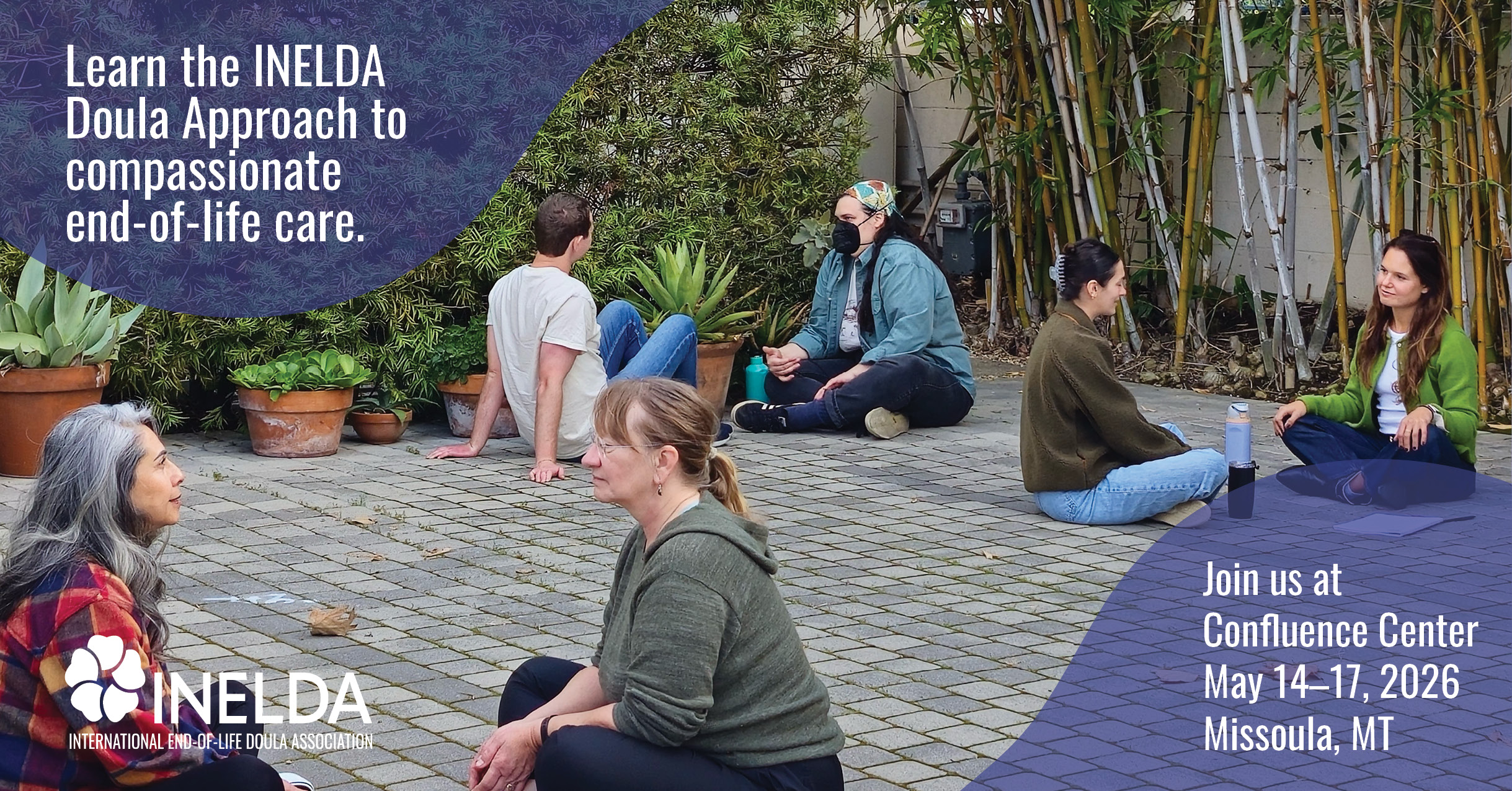
END-OF-LIFE DOULA TRAINING | MISSOULA, MT
|
May 14-17
THU 1-5pm MT, FRI/SAT 9am-6pm MT, SUN 9am-1pm MT
|
Location: Missoula, MT
Educators: Omni Kitts Ferrara & Kim Stravers
Price: $1195 (discounts & payment options available)
|
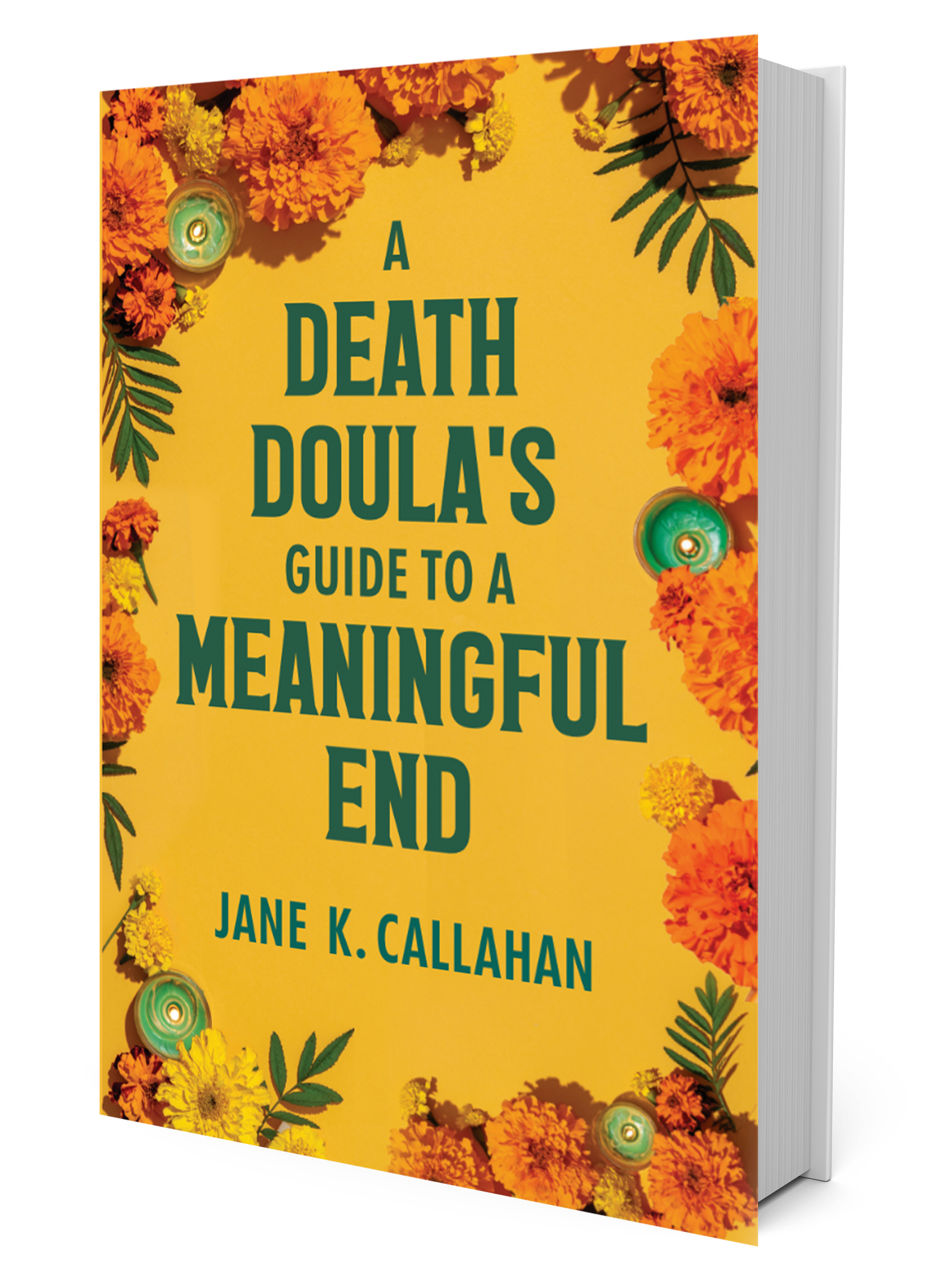
A Death Doula’s Guide to a Meaningful End
|
Jane K. Callahan, author of A Death Doula’s Guide to a Meaningful End was trained as an end-of-life doula through INELDA and earned a professional certificate as an end-of-life doula from the University of Vermont’s Larner College of Medicine. She is also a member and proficiency badge holder of the National End-of-Life Doula Alliance. Jane serves Transitions Hospice and sits on the board of directors for the Funeral Consumers Alliance North Carolina. She hosts educational sessions about end-of-life matters at venues in Durham, Chapel Hill, and Cary, and has cultivated a community of fellow doulas and death workers in the Triangle area.
|
A Communal Place to Grieve
|
Every three months, INELDA hosts a gathering circle for all members to process the grief we hold about the world around us. Those of us who are deathcare workers know how to hold space for the impossible. The space of the deep grief. The space of the grief of those around us. There is no off switch to grief. We simply endure. We simply accept. These circles allow us to be together in acknowledging how each of us is carrying our own personal grief for what we are witnessing together. This is a gathering to discuss the things we carry: the genocides we watch on our phones, the people in power doing unspeakable things, the proliferation of war, our neighbors being kidnapped in broad daylight, environmental harm, and the other global traumas.
|
Wilka Roig Joins INELDA’s Board of Directors
|
We are excited to announce that educator Wilka Roig has been elected to INELDA’s board of directors. Wilka trained with INELDA in 2017 and has been a constant champion of the organization while continuing to raise awareness of doulas globally through her efforts with Red Latinoamericana de Acompañamiento en la Muerte y el Duelo, Consciencia de la Muerte, Fundación Elisabeth Kübler-Ross México Centro, and through many other groups and affiliations. She will be forming a doula council, made up of practicing doulas around the globe who serve their communities and will serve to inform the board and organization. Wilka will continue to teach training and workshops.
|
INELDA Goes to Mountains of Courage
|
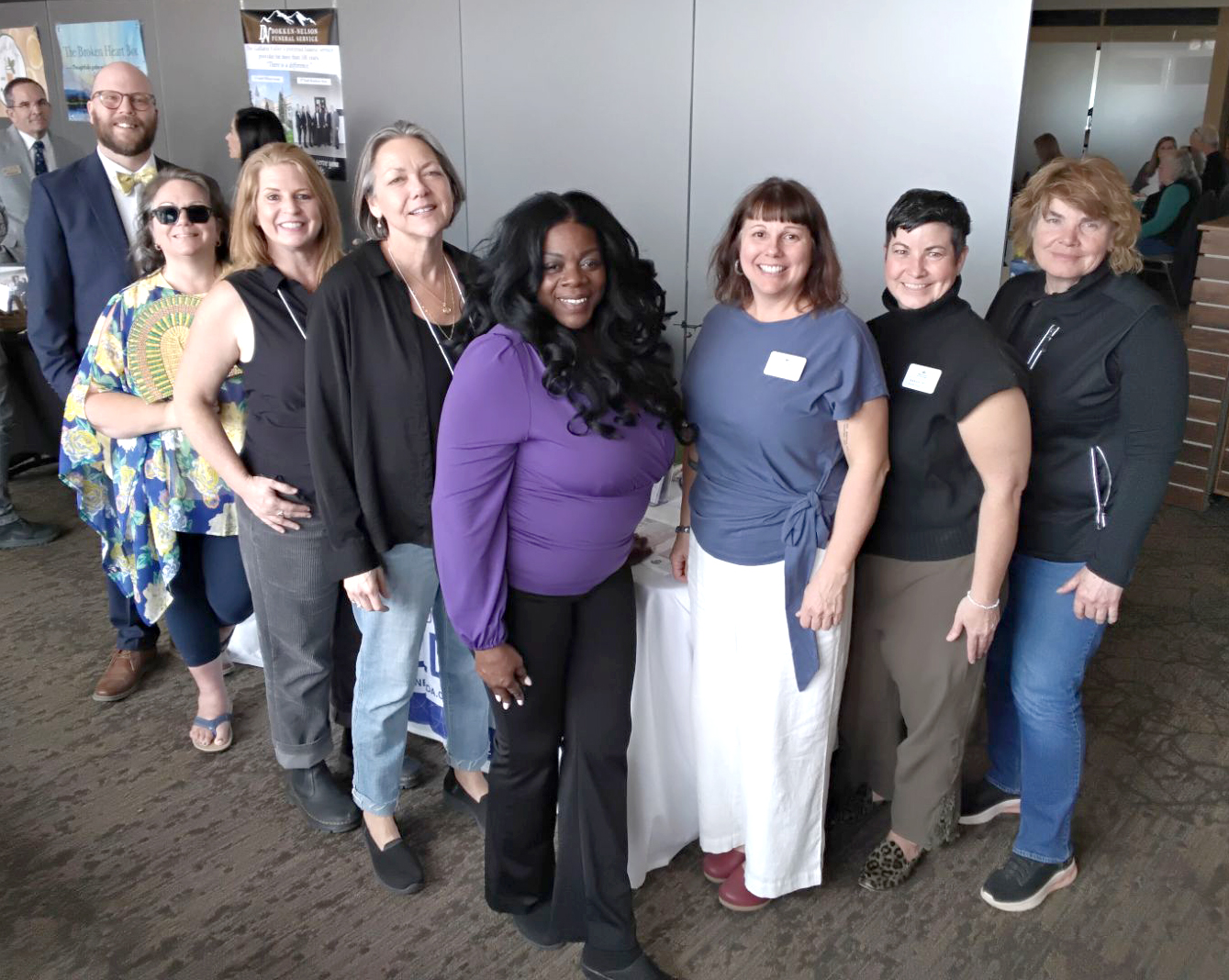
This past month, Katina Perkins, INELDA’s director of program outreach and membership, visited Bozeman, Montana to attend the 15th annual Mountains of Courage conference. This one-day conference explores the practical aspects, emotions, traditions, and myths of death and dying in the United States. Katina addressed the conference and held a doula meet-up for all to connect. We will be back in Montana on May 14th through the 17th for an end-of-life doula training in Missoula. Learn more here.
|
Request for Interviews on Barriers to Death Rituals
|
Doctoral candidate Sarah Clem, MSW, from the University of Maryland School of Social Work is seeking study participants for her research on barriers to death rituals. Participation in this research involves an interview with bereaved individuals who have experienced a barrier to planning, attending, or performing a death ritual (e.g., funeral).
|
Embracing Life: Lessons from End-of-Life Doula Diane Button
|
April 29 | WED 7 – 8:30pm ET
|
Diane Button, author and founding partner of the Bay Area End-of-Life Doula Alliance in Northern California, will share her personal journey about living with a life-threatening illness, becoming a doula, and lessons from her new book, What Matters Most: Lessons the Dying Teach Us About Living. Join Diane and educator Kim Stravers for a deep conversation and insights into Diane’s path of becoming a doula.
|
Explore what drove Diane to become an end-of-life doula following her breast cancer treatment, her deep commitment to the field through her podcasts and books, and the community she co-built through the Bay Area End-of-Life Doula Alliance. Diane also serves as an instructor at the University of Vermont’s End-of-Life Doula Professional Certificate program and was a board member of National End-of-Life Doula Alliance. Her deep commitment to the field holds lessons for all end-of-life doulas.
|
Cost: Please note that April’s webinar is free for ALL Members | Non-members $15
|
““In response to the recent post from a doula on INELDA’s private Facebook page about someone forging power of attorney paperwork for a patient dying in the hospital and blocking the rest of the family from contact: While the family had reported the incident to the hospital and the police, I also suggested that the hospital board of ethics could be contacted.”
—Shanti Vani, Transforming Grief, LLC
|
EstateExec provides an easy-to-use, free online resource that explains the notion of a person’s estate, and the steps the surviving family should follow, from notifying the IRS to applying for probate … and actually settling the estate. The guide is intuitively organized and provides detailed specifics for every single U.S. state and Canadian province.
|
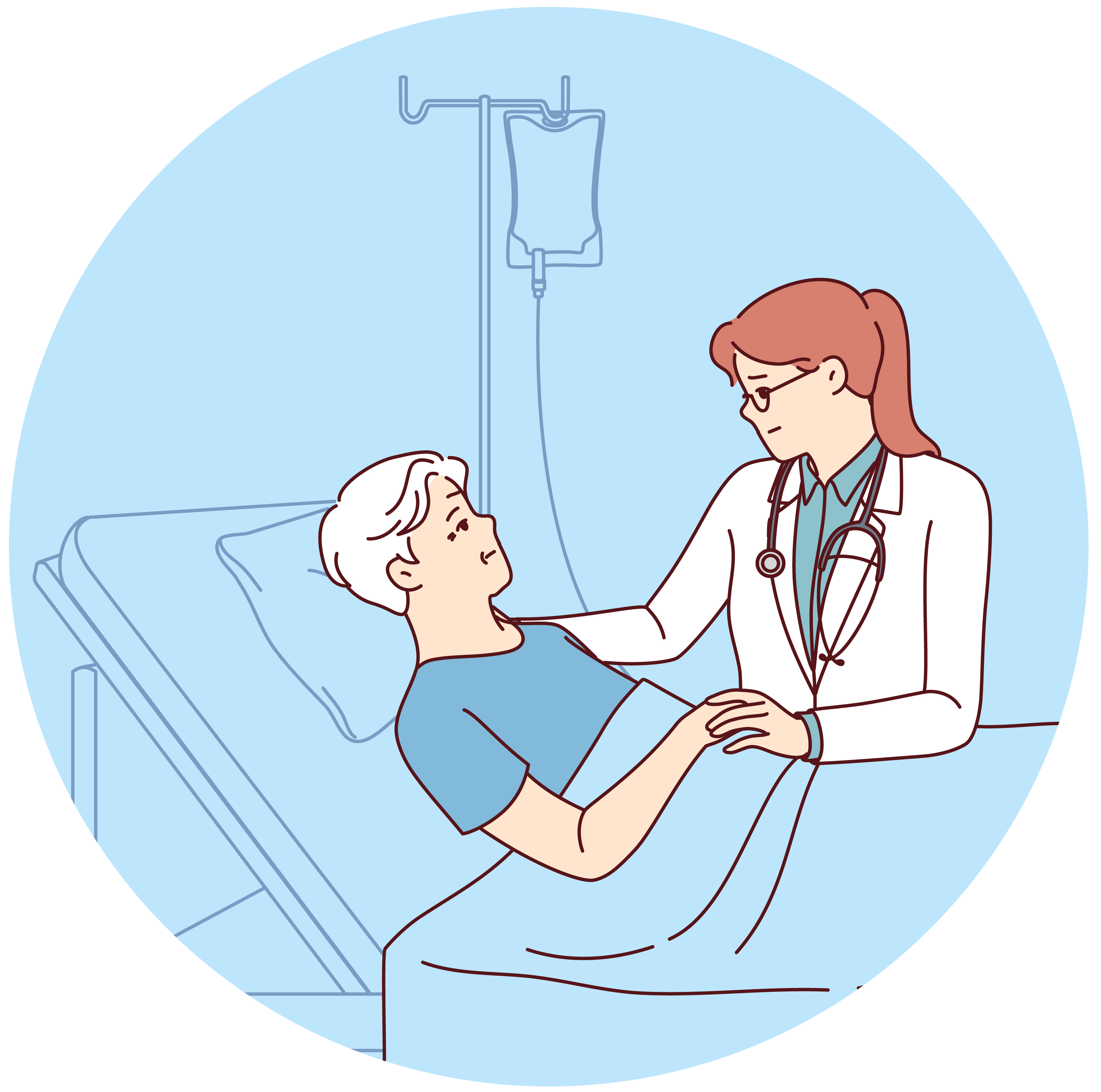
We are a hospice organization interested in integrating end-of-life doulas into our care team. How can we effectively incorporate doulas?
—From a hospice, March 2026
|
Katina Perkins, director of outreach and membership: Integrating end-of-life doulas into a hospice setting can deepen the support you offer to patients, families, and care teams. This work is grounded in a nonmedical, relationship-centered approach that complements clinical care while honoring dignity, autonomy, and continuity.
Doulas are not a replacement for hospice staff; they are an added layer of support. They provide emotional, practical, and presence-based care while maintaining clear nonmedical boundaries.
|
A few key elements for successful integration include:
-
Clear roles: Define how doulas fit within the interdisciplinary team
-
Training: Ensure doulas are prepared to work in hospice settings and understand team dynamics
-
Collaboration: Build strong communication between doulas and clinical staff
-
Structure: Decide how doulas will serve (volunteer, contracted, or staff) and create clear workflows
-
Ongoing support: Offer mentorship and continuing education to sustain the program
|
For organizations looking for guidance, INELDA offers a three-hour workshop, Integrating End-of-Life Doulas Into Clinical Models, designed for hospice leaders and care teams. This workshop provides a practical, step-by-step approach to implementation, including integration models, workforce development strategies, and tools to strengthen patient and family outcomes.
If you’re exploring how this could look within your hospice, we’d be glad to connect and support your next steps.
|
Modeling Self-Care While Dying
|
With each person I support comes the lessons of how to die. From learning the deep challenges of losing mobility to jovial death denial, I hold these teachings close and with deep respect for the teacher. This month I am learning about self-care and what that looks like for a particular dying person.
–Loren Talbot
|
“What Would You Do?”: Doctors’ EOL Beliefs
|
Many patients ask their physicians what they themselves would do in regards to end-of-life care. A recent study published in Palliative Care and Social Practice aims to understand how doctors manage their own end-of-life preferences in regards to supporting their patients’ decision-making.
|
Child Death Rate Slows, Though Unevenly
|
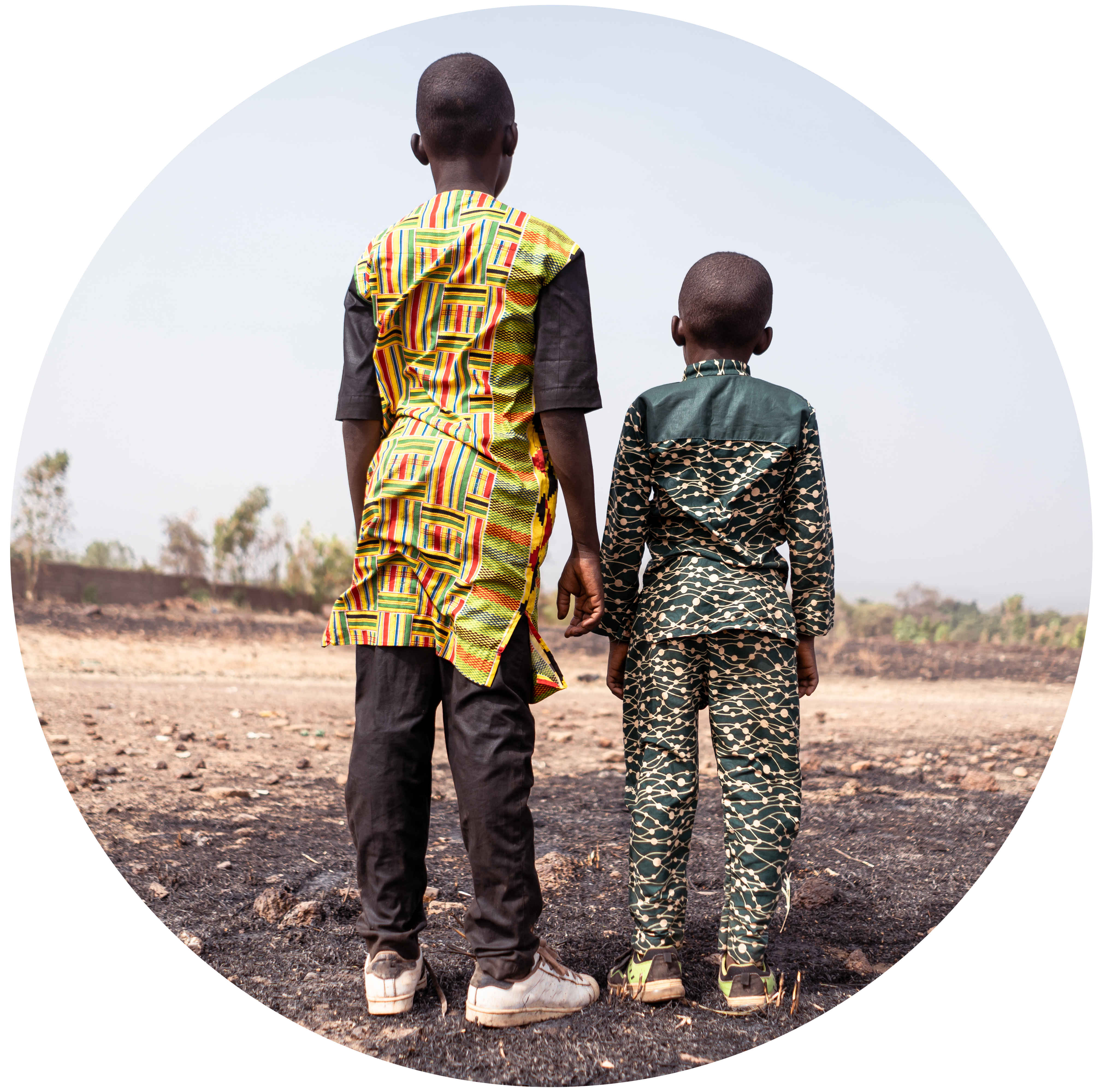
While the global rate of child death continues to fall, the pace of progress in reducing child deaths has slowed by more than 60% since 2015. According to the United Nations report “Levels & Trends in Child Mortality,” in 2024 nearly 5 million children died before turning 5, with newborns accounting for slightly less than half of those deaths.
|
Death With Dignity Laws Continue to Gain Momentum
|
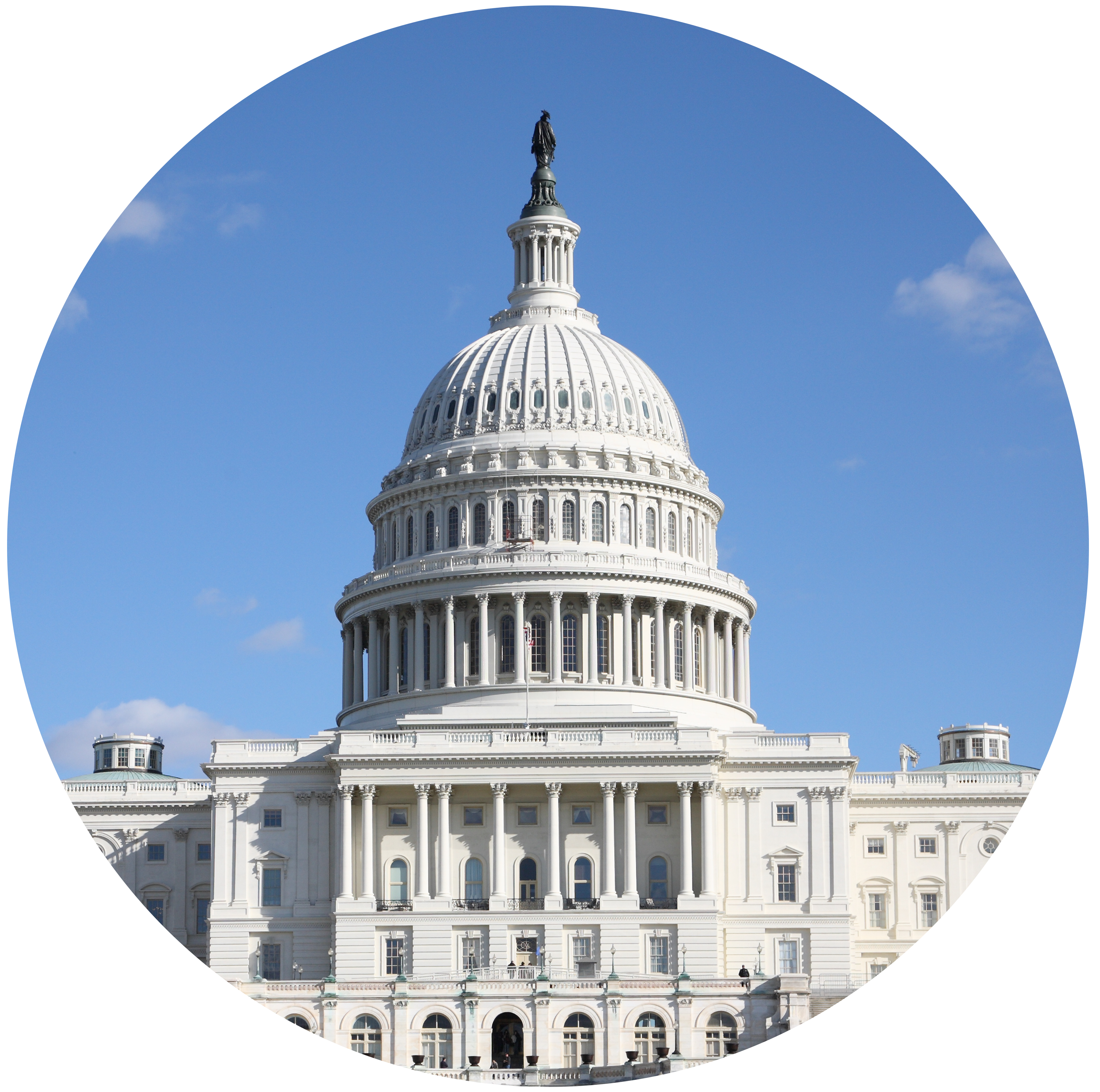
Thirteen U.S. states and the District of Columbia have MAiD laws on the books, and three more states—Missouri, Georgia, and Wisconsin—have introduced bills that would legalize medical aid in dying.
|
I got out of bed
on two strong legs.
It might have been
otherwise. I ate
cereal, sweet
milk, ripe, flawless
peach. It might
have been otherwise.
I took the dog uphill
to the birch wood.
All morning I did
the work I love.
At noon I lay down
with my mate. It might
have been otherwise.
We ate dinner together
at a table with silver
candlesticks. It might
have been otherwise.
I slept in a bed
in a room with paintings
on the walls, and
planned another day
just like this day.
But one day, I know,
it will be otherwise.
|
© INELDA 2026 International End of Life Doula Association is a
501(c)(3) tax-exempt nonprofit organization that relies on public support to do it’s work.
|
|