The Importance of End-of-Life Planning in Historically Marginalized Communities
|
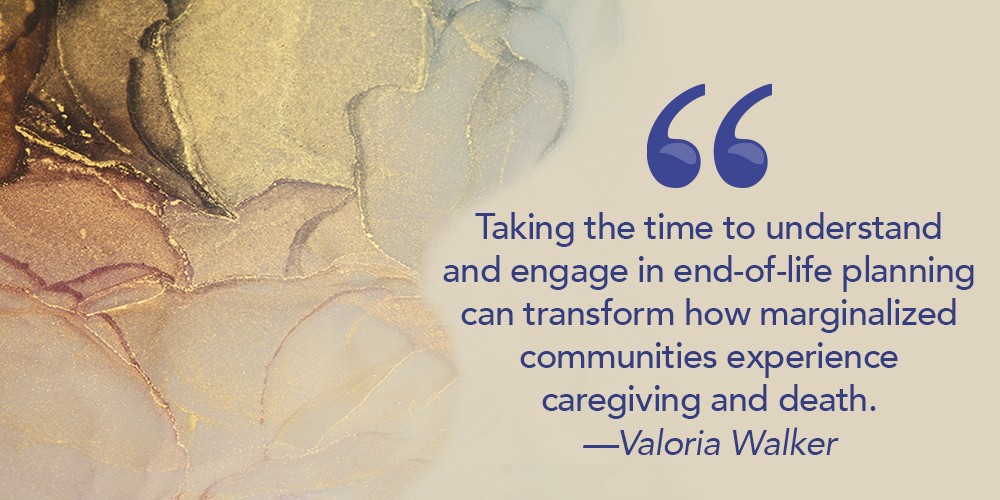
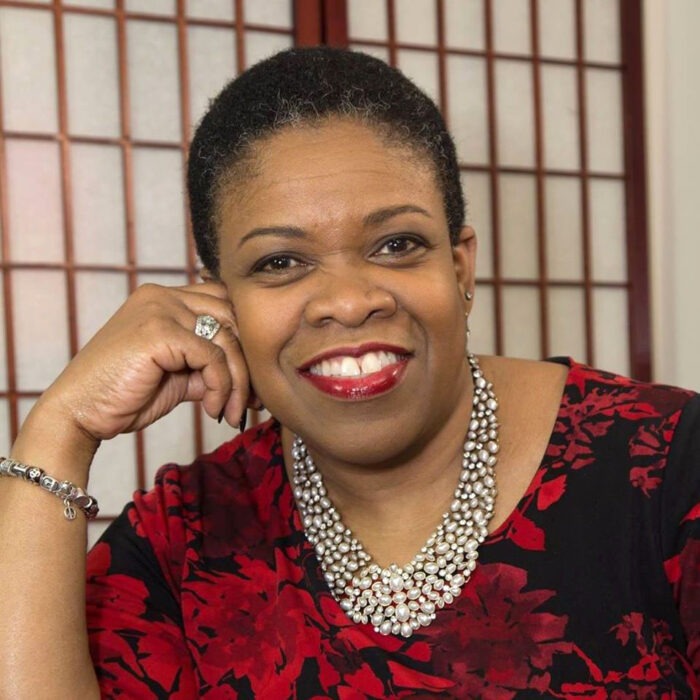
Facing the reality of death can be difficult for anyone, but for many in historically marginalized communities, the conversation about end-of-life planning is often avoided altogether. Historical health inequities, discrimination, and personal experiences with the health care system have created a deep mistrust that makes discussing end-of-life care challenging. As an end-of-life doula and African American woman, I have witnessed firsthand how these barriers prevent meaningful dialogue and preparation. This article explores why end-of-life planning matters, especially in minority communities, and how the end-of-life doula model can help bridge the gap.
|
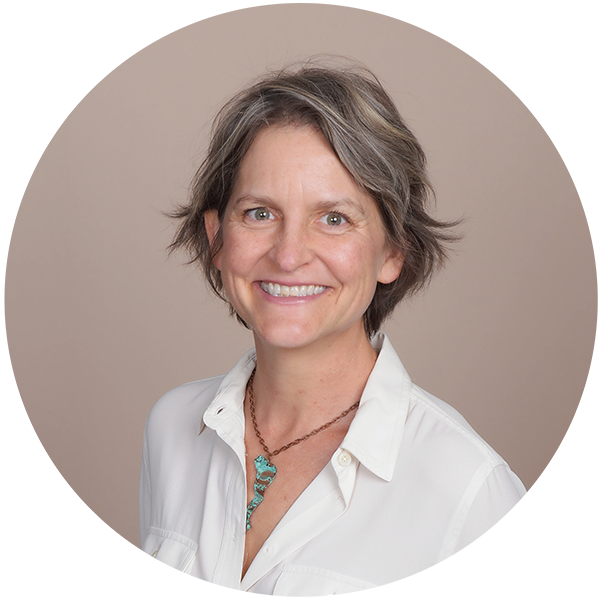
Erin is an INELDA-certified end-of-life doula and certified thanatologist practicing in greater Richmond, Virginia. She founded Nightsong Doulas in 2023 after 25 years in marketing. Erin currently works with families, hospices, and communities throughout the region and is fiercely committed to evolving the way our culture approaches death and dying. When she is not working to improve the experiences of families navigating mortality, she is kayaking, making stained glass, spending time with her 17-year-old son, hiking, and gardening.
|
When and why did you decided to become and end-of-life doula?
|
In 2013, I witnessed the agonizing death of a very close friend. I had been his caretaker, which was unfortunate for him, as neither of us had any clue what we were doing. He had terminal rectal cancer and never enrolled in hospice, and his death was unmedicated and traumatic. I talk about that experience in more detail on this short podcast interview.
I knew that there must be a better way, and I began volunteering for hospice as a way to atone for my ignorance about the service. The more I engaged with end-of-life care, the more intrigued I became! To this day, I can think of no more fascinating topic than our mortality.
|
INTEGRATING END-OF-LIFE DOULAS INTO CLINICAL MODELS
|
February 27, 2026
FRI 2pm – 5pm ET
|
Location: Zoom
Educator: Omni Kitts Ferrara
Price: $130 (discounts available for members, students & military)
|
EXTENDED END-OF-LIFE DOULA TRAINING
|
March 23, 2026 to April 8, 2026
MON/WED 8pm – 12am ET
|
Location: Zoom
Educator: Valoria Walker
Price: $995 (discounts available for members, students & military)
|
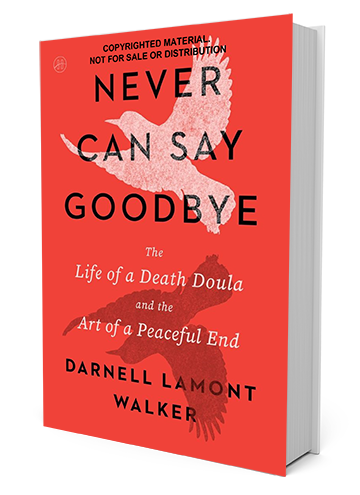
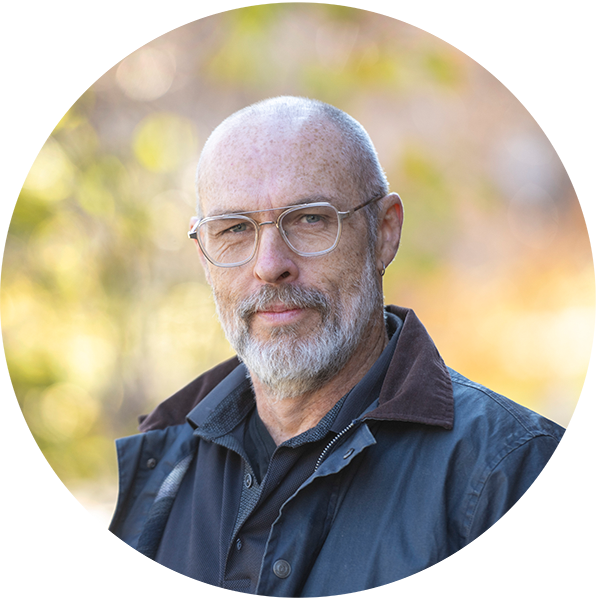
Darnell Lamont Walker, author of Never Can Say Goodbye, is a death doula, Emmy-nominated children’s television writer, producer, and explorer. Born in Charlottesville, Virginia, he creates spaces worldwide for healing through storytelling, end-of-life care, and workshops on grief, resilience, unlocking the writer within, and radical empathy. He joyfully lives in the Chattahoochee National Forest of north Georgia.
|
GERALD’S LAW PROTECTS VETERAN BURIAL BENEFITS
|
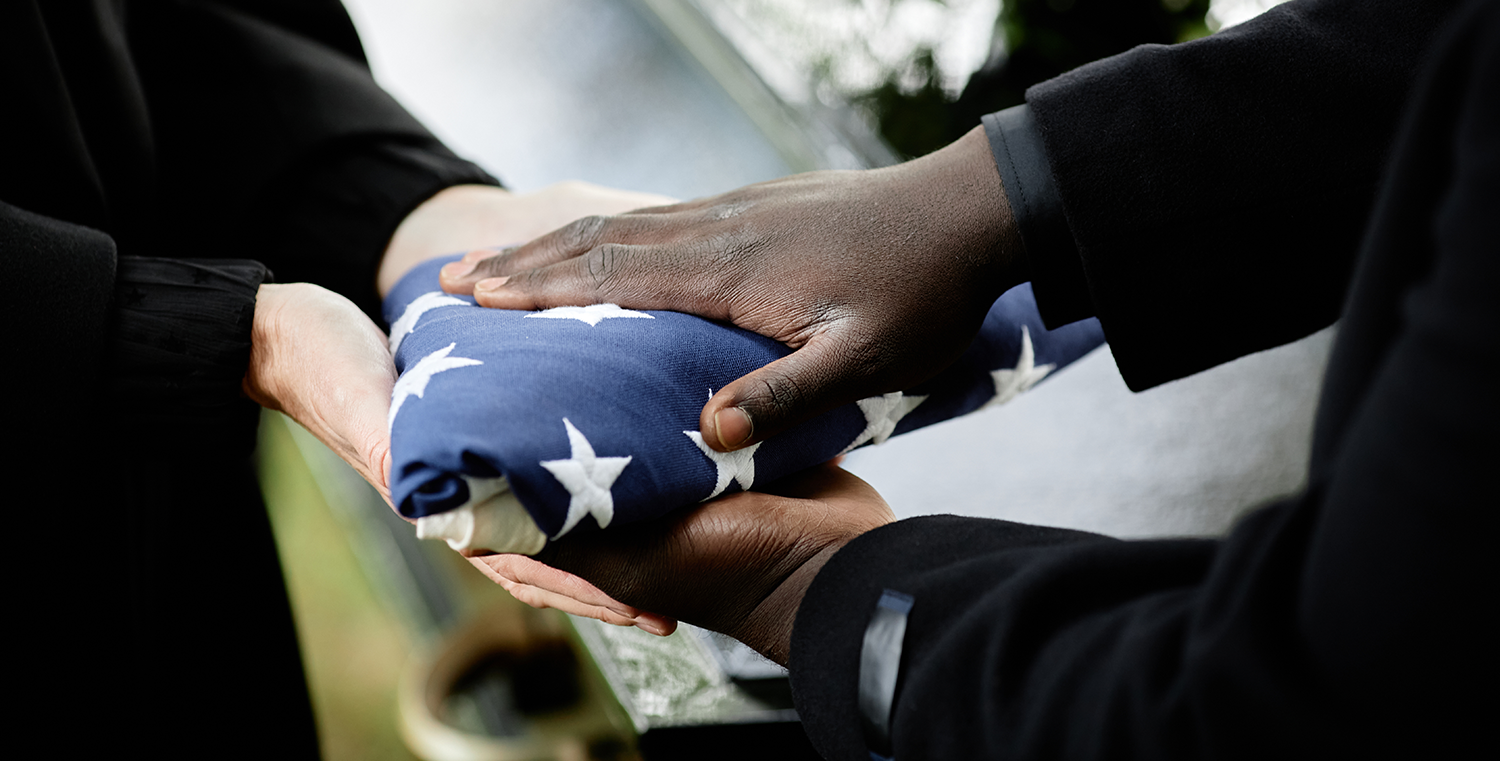
Over the past decade, home has become the most common and desired place for people in the United States to die. However, for Veterans, this can affect access to burial benefits. According to the Veterans Health Administration (VA), these benefits include a gravesite or urn burial in any VA national cemetery with available space, opening and closing of the grave, perpetual care, a headstone or marker, a flag, and Presidential Memorial Certificates at no cost to the family. In some cases this also includes burial allowances.
|
Warm Vibes at Santa Monica Training
|
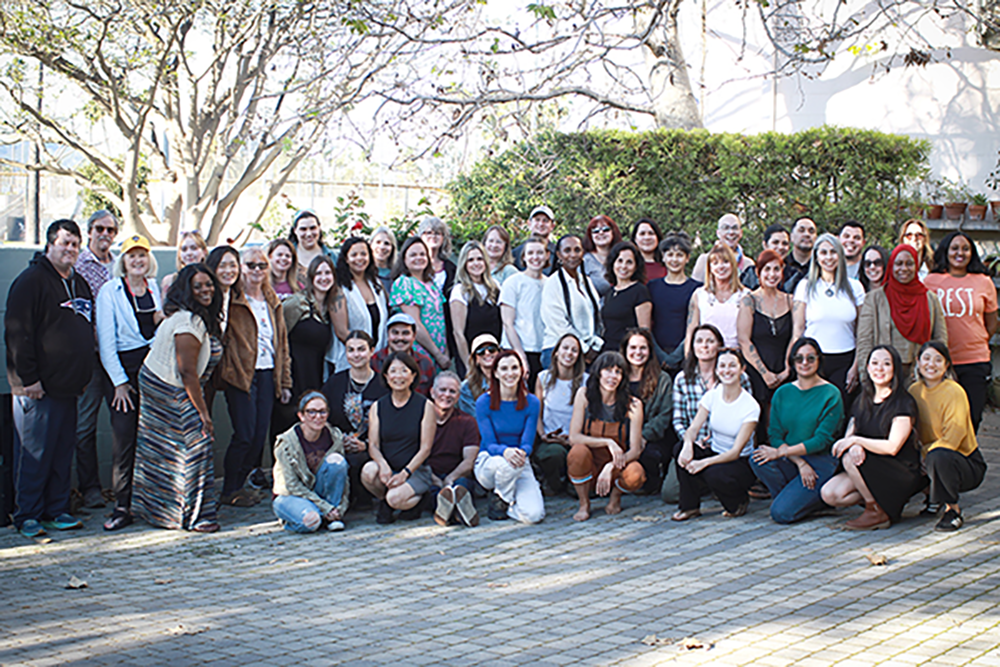
It’s always a treat when we are able to hold a training in person. This month, educators Erika Lim and Nzinga Abdullah-Aziz had the opportunity to bring together 45 learners for a weekend training in Santa Monica, California. Participant Cassandra Zamora shared, “I entered INELDA’s training without many expectations. With some exposure to hospice and end-of-life care, I thought I had a sense of what the experience might be like. Instead, it gently surprised me. While the training provides thoughtful and grounded preparation for supporting individuals and families at the end of life, what touched me most was how much space it creates for inward reflection.”
|
Dr. Shamsian: We Appreciate You!
|
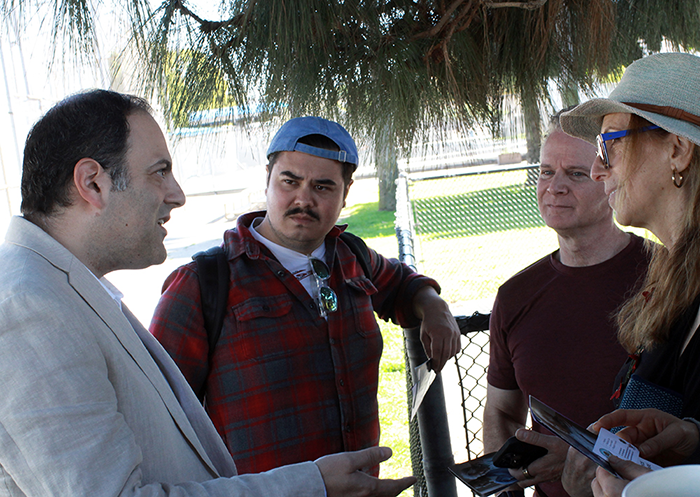
Dr. Arash Shamsian joined us at our doula training in Santa Monica. The founder of Golden Gate Hospice Care and a physician focused on expanding compassionate, community-based end-of-life care, Dr. Shamsian partners with end-of-life doulas and community partners to help patients receive earlier supportive care, strengthen family support systems, and improve quality of life at the end of life.
|
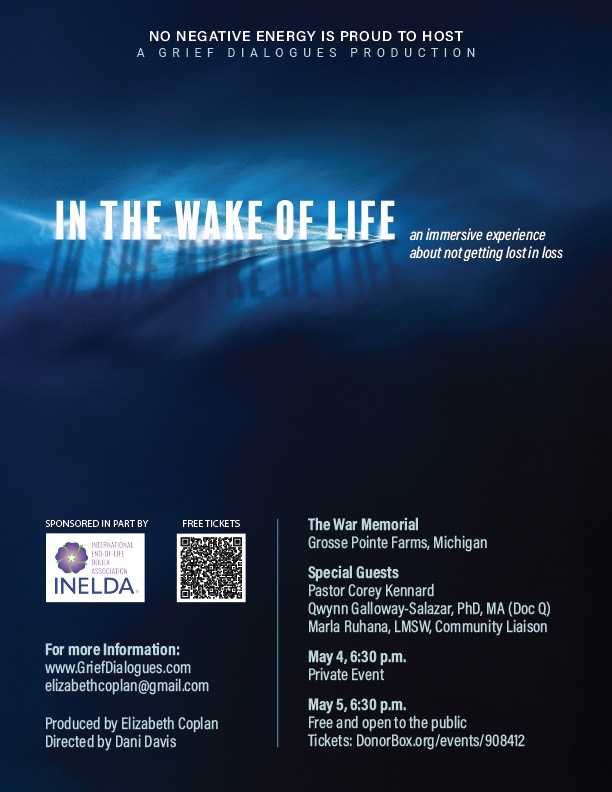
INELDA is a proud partial sponsor of In the Wake of Life: An Immersive Experience About Not Getting Lost in Loss, produced by Elizabeth Coplan, founder of Grief Dialogues, and directed by Dani Davis. Come join co-creator and Detroit lead Pastor Corey Kennard and special guests Qwynn Galloway-Salazar, PhD, MA, and Marla Ruhana, LMSW, community liaison, for innovative storytelling and optional participation. The immersive theatrical experience, which will take place Tuesday, May 5, combines short plays, poetry, music, interactive sculpture, and guided audience reflection to explore dying, death, and grief. The piece will be staged at The War Memorial in metropolitan Detroit, in the neighborhood of Grosse Pointe Farms, Michigan.
|
Loss of Advisory Board Member Subrina Wood
|
Subrina Wood (1956-2025) served on INELDA’s advisory board, offering her deep experience in tax, assets, and management. INELDA was so lucky to have had the opportunity to work with Subrina. As an advisory board member, Subrina brought her extensive expertise, energy, deep laughter, and insights to the organization. Not only was she a whiz with numbers, her deep love for sci-fi and commitment to the arts led her to cofound SyFy Sistas Podcast and CinnCinne Goes SyFy Podcast. Subrina will be honored over the course of the year with virtual events, culminating with her 70th birthday celebration in September 2026.
|
The Funeral Service Insider podcast host Tony Russo spoke with INELDA’s executive director, Douglas Simpson, about end-of-life doulas and the bridges we build between care systems and circles of care. Tune in to the episode, “Douglas Simpson on Mentorship and the Future of Death Doulas” for how professional training is evolving to include hands-on experience and community-led support.
|
Rites of Passage For Life’s Transitions
|
March 25 | WED 7 – 8:30pm ET
|
Join educators, activists, and community-based theater artists Jan Cohen-Cruz and Dr. Kevin Bott for insight on ritual structures and rites of passage. Their latest book, Performing Emancipatory Rites of Passage, which traces rituals from birth to death, includes a chapter that shares the voices of INELDA team members in a roundtable about death and dying. Our time together will include a “mini roundtable” conversation with the guests and educators Shelby Kirillin and Wilka Roig about ritual incorporation at end of life.
|
Explore rites of passage through Kevin’s work with Ritual4Return, a program that develops homecoming rites as a regular cultural practice in the United States for human beings returning home after incarceration. Jan will offer knowledge and insights about rites of passage and incorporation of ritual through the lens of ethnographer and folklorist Arnold van Gennep.
|
Cost: Free with INELDA Tier 2 & 3 Membership | Tier 1 and Non-members $15
|
“When you are walking alongside clients with dementia, I have found it helpful if you can find out:
-
What they loved between the ages of 10 to 15 years old.
-
What games they played when younger.
-
What their favorite animals are.
-
Significant others in the present.
-
Other memories that show up naturally.
I can use the information like buzzwords as they shift throughout their dimensional travels. I walked with a gentleman who was 6 feet, 5 inches tall and still fit. His family was afraid of his outbursts. I inquired what games he loved to play, and he shared that he loved basketball. On my next visit I showed up with a basketball and was dribbling it out on the driveway. He heard me and came outside to see me. I handed him the ball once he asked to play, and he started dribbling it.”
—Rich “Doc” Blues
|
The team at Psych/Armor specializes in military cultural awareness and competency. It is made up of Veterans, military spouses and family members, caregivers, survivors, and individuals who show up every day for our military and Veteran community. Together, this team has built asynchronous learning modules for those serving Veterans and their families. Offerings include The Basics of Military Culture and Caring for Veterans Through the End of Life.
|
How do I value or put a cost to the support I provide as an end-of-life doula?
—Training Participant, February 2026
|
Educator Omni Kitts Ferrara: Doula support is not monolithic, and each doula finds their unique model of care and compensation. There is no doubt that doula care is active and requires our energy. For a newer doula, I often suggest feeling your way forward and taking note of the energetic expression the care requires of you. From that lived experience, you might be able to then orient around what resources you need to provide doula support. Perhaps you need to afford childcare while you are providing doula support. Maybe you need to drive an hour each way. Consider your time and energy, and the value and cost can emerge from that. Every journey of accompaniment may be different, too. Some doulas decide that they prefer not charging, some have structures of reciprocity and barter, some charge in packages or have an hourly rate. Our Pathways to Practice course is a good series for doulas to discover and create their own unique model of care and how they receive compensation.
|
What Does Your Mortality Have to Do With Self-Care?
|
For many of us, self-care has become a familiar language. We speak about rest, boundaries, nourishment, and the small rituals that help us reconnect with ourselves after long days of work and living. A walk outside. A yoga class. Turning off notifications. Time with people who remind us that love is the essence of who we are. These practices matter. They support our nervous systems and remind us that we are in need of gentleness—every one of us.
–Adrian Molina
|
Collaborative Care Model for Dementia Proves Cost-Effective
|
Supporting caregivers of people with dementia could be more clinically effective—and more cost effective—than drug interventions, concludes a recent study published in Alzheimer’s and Dementia: Behavior and Socioeconomics of Aging. The collaborative care models used in the study were not predicted to extend lifespan but were projected to give people with dementia several more months at home before transitioning into a care facility.
|
Is It Time to Shift How We Think of Body Disposal?
|
Body disposal is often framed as a matter of personal choice or cultural tradition. A recent paper published in Mortality asks whether it’s time to start framing it as an environmental issue.
“First and foremost, to think about [human body disposal] as an environmental issue requires, we argue, a reconceptualisation of human death beyond individuals and its (re)imagining as something of a planetary or population matter,” the study authors write.
|
New York Signs MAiD Into Law
|
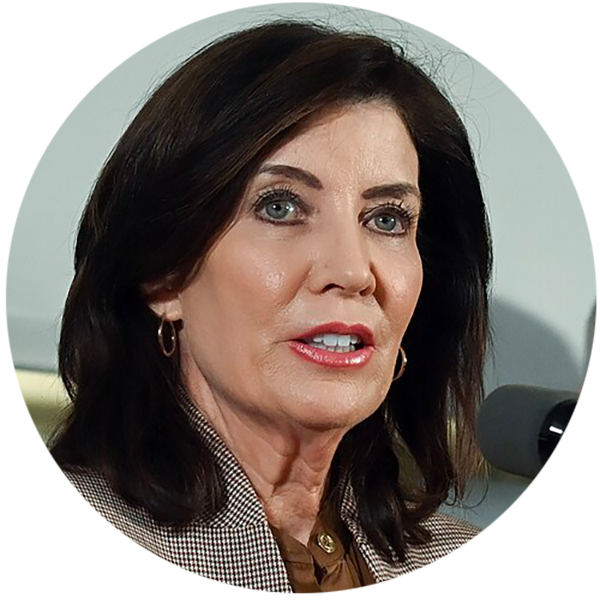
New York joined 12 other states and the District of Columbia in legalizing medical aid in dying. Governor Kathy Hochul signed the bill enshrining the right of terminally ill New Yorkers with six months or less to live to use MAiD, ending a legal battle that began in 2017 when the New York Court of Appeals rejected a claim that such patients had the right to prescribed lethal drugs.
|
Heritage
(for Walter Leonard)
|
The folk here
Are old
There are wheel
Chairs and people
Struggling
To push them
There are sad
Eyed people looking
Up from beds they
Cannot stretch out
In
And some simply cannot
Move their heads
All will become something precious
Sapphires … Emeralds … Rubies which
Will be discovered
By other explorers who
Will polish and shape
The stones
And we will wear them
Never knowing
Whose loved one
We have
Embraced
|
© INELDA 2026 International End of Life Doula Association is a
501(c)(3) tax-exempt nonprofit organization that relies on public support to do it’s work.
|
|