As soon as I entered the apartment, this private place, something broke. The towel rack fell. The shower curtain could not hold the waters that washed me down, and the floods began. The washing machine started seeping, the air conditioner started leaking, the remote control battery dying, so the leakage could not be stopped. There were no containers deep or wide enough in the kitchen to catch any of it. The door frame came unhinged, and the glass pane almost fell and shattered, efflorescence from the ceiling sprinkling all surfaces in the living area. As I stood barefoot in the deep end of this marble-tiled pool, it came to me: This space is reflecting back to me exactly how I feel. I resigned myself to the condition of the moment, throwing in the towel and giving in to my only logic, which was to mop.
|
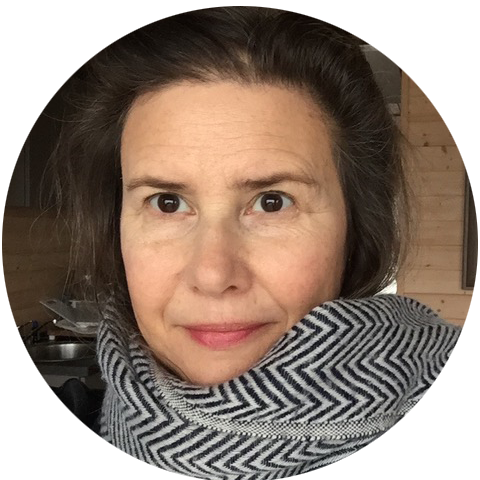
Marchel Shipman has lived a jack-of-all-trades kind of life. She was born in California and raised mostly in Ohio, then attended a couple of universities and received a master of fine arts from Southern Methodist University and settled in Chicago for a life of acting and teaching for many years. After “sweet Amalia and rascal Jack” were born, Marchel and her husband gave all that up and started afresh in Berlin. There, she has written (including winning a writing award), edited, managed a charity benefiting kids with cancer, and “done a multitude of this and that.”
|
When and why did you decided to become and end-of-life doula?
|
In 2019 I was washing the dishes in my kitchen, listening to a radio program on NPR about end-of-life doulas. I had never heard of such a thing; it made so much sense. The room went absolutely, completely still; time itself seemed to slow. I just kind of knew I was meant to be doing that.
|
3 WEEKEND DAYS END-OF-LIFE DOULA TRAINING
|
November 8, 2025 to November 22, 2025
Saturdays, 11am – 8pm ET
|
Location: ZOOM
Educators: Omni Kitts Ferrara & Marady Duran
Price: $895 (discounts available for members, students & military)
|
MAPPING EMOTIONS WORKSHOP
|
November 20, 2025
Thursday 6pm – 9pm ET
|
Location: ZOOM
Host: Wilka Roig
Price: $130 (10% discount for Tier 1, 2, and 3 Members)
|
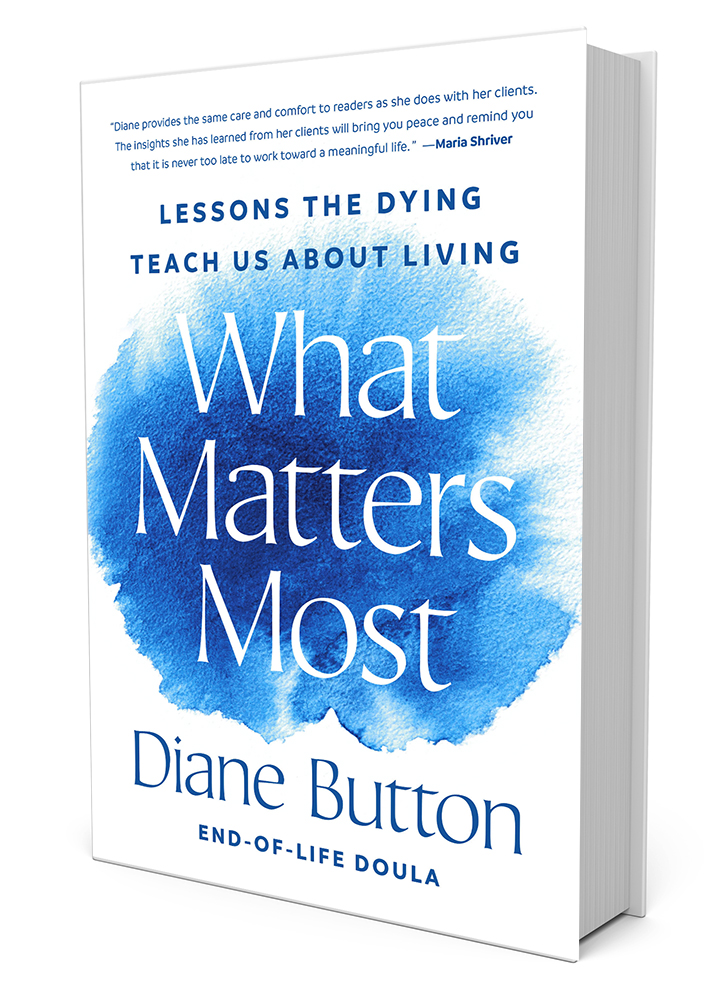
Diane Button is a founding partner of the Bay Area End-of-Life Doula Alliance in Northern California, a frequent podcast guest, and best-selling author of several books related to end-of-life, meaningful living, and the growing impact of death doulas worldwide. She is an instructor at the University of Vermont’s End-of-Life Doula Professional Certificate program and was a board member of the National End-of-Life Doula Alliance. She is an INELDA graduate and holds a master’s in counseling psychology from Goddard College in Vermont. Her master’s thesis, “The Components of a Meaningful Life,” became the genesis for her life’s work of supporting people to find meaning, comfort, joy, and peace in life and in death.
|
PROVIDING ASSISTANCE THROUGH INELDA’S SCHOLARSHIP PROGRAM
|
Since 2019 INELDA has had a robust scholarship program seeking to provide financial assistance to those who have historically been underrepresented and underserved in the deathcare community and global community at large. Our vision as an organization is for all individuals to have accessible, equitable, and compassionate deathcare that holistically affirms one’s humanity and supports end-of-life choices. This vision cannot be realized in its truest form without ensuring that those with limited financial resources are able to become stewards of the deathcare community. We are proud to offer scholarships to ensure the presence of end-of-life doulas in all communities. “The INELDA scholarship program makes end-of-life doula training accessible, giving more people the tools to provide comfort, dignity, and support at the end of life,” says Katina Perkins, director of operations.
|
Save the Date: INELDA’s 10-Year Virtual Celebration
|
On the evening of Tuesday, December 9, from 6:30-8:30pm ET, INELDA will be live streaming our 10-year anniversary event. This celebratory, hybrid gathering will include an awards ceremony, a short film, a lively panel discussion, some exciting news to share, and being together in community. More details coming to your email inbox soon. Can’t wait to celebrate with you!
|
Educating Community: Do I Need a Doula?
|
This new monthly discovery call is for laypeople to meet with INELDA educators and end-of-life doulas to learn about the role of doulas at end of life. Participants are encouraged to ask questions and converse directly with practicing doulas to better understand how they might benefit from working with an end-of-life doula. This discovery call is open to everyone and is a free offering.
|
Volunteers Needed in South Carolina
|
Crescent Hospice in South Carolina is looking for volunteers. The hospice, which has locations throughout the state, is seeking direct patient and administrative volunteers to bring joy and comfort to patients and their caregivers. We are also seeking specialty volunteers to provide music and pet therapy to those who need it most. No health care experience is required, and all volunteers are provided with comprehensive training and support.
|
Expanding the Space for Grief with J.S. Park
|
October 29 | WED 7 – 8:30pm ET
|
Hospital chaplain J.S. Park, a self-described “grief catcher” and author of As Long as You Need: Permission to Grieve, brings his vast experience consoling thousands of patients at bedside to our community conversation.
|
Many of us living and working in the deathcare space have discovered the willingness to confront and support others’ grief journeys. No stranger to grief himself, J.S. will explore themes that will center on our own capacity for grief. How do we hold space for the people in the room with us who are experiencing it? What do we do when we aren’t sure of how to meet their reactions? How do we develop cultural competency when it comes to different expressions of grief and making room for them?
|
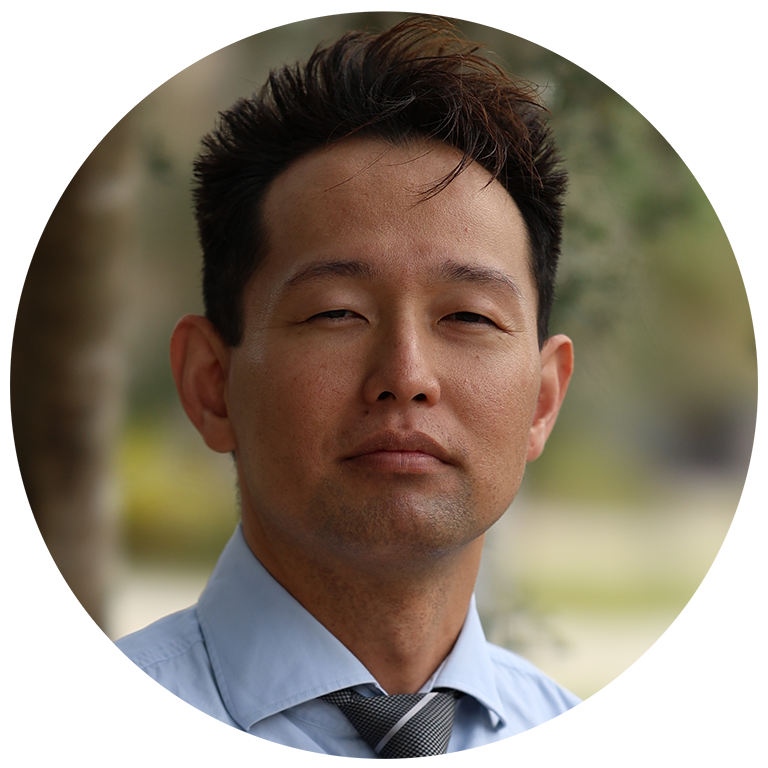
J.S. Park is a hospital chaplain, published author, and online educator. For nine years he has been an interfaith chaplain at a 1000-plus-bed hospital that is a designated Level 1 Trauma Center. His role includes grief counseling, attending every death, every trauma and code blue, staff care, and supporting end-of-life care. J.S. also served for three years as a chaplain at one of the largest nonprofit charities for the homeless on the East Coast.
|
Cost: Free with INELDA Tier 2 & 3 Membership | Tier 1 and Non-members $15
|
“I’m hearing impaired, and sometimes my hearing aids need to be repaired and it takes quite a long time for that to happen. So sometimes when I am working with someone, I resort to live transcribing so I can see what someone is saying and respond accordingly. Most voice-to-text apps work very well for dictation these days.
It does misinterpret sometimes when you slur or the volume of your voice is too low. However, this makes an interesting side conversation, resulting in crazy laughter!”
—Rev. James “Jaime” Jackson
|
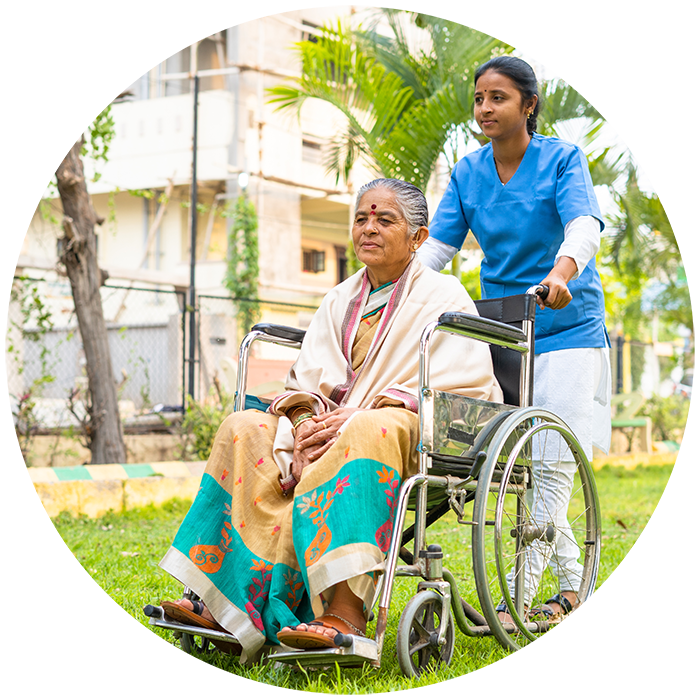
Remembering a Life resources help demystify a taboo topic by encouraging people to have healthy, meaningful discussions about life, death, and how they want to be remembered. When used by end-of-life professionals, these resources connect families and individuals to the information they need every step of the way and help you as you transfer care of a family’s loved one to the care of a funeral professional.
|
From having conversations about how people want to be remembered to planning a meaningful tribute and beginning the grief journey, Remembering a Life resources provide valuable information and complement the important work you do to serve families.
|
How can we educate people about interventions that may have adverse effects, like CPR, when helping to create advance care directives?
—Participant, Pathways to Practice
|
Educator Omni Kitts Ferrara: “Doulas can act in the role of educator and present a deeper understanding around the implications of end-of-life choices. Oftentimes when folks begin advance care planning, they might find these straightforward questions laden with a lot of unsaid layers. As doulas, we have the opportunity to ask deeper questions that may help inform the complex answers that having life-saving measures assumes. For instance, I might not start with, “Do you want CPR—yes or no?” This question alone leaves out the context of: When will I need these measures? Where? Why? I may reframe the question to ask, “When thinking about facing a life-threatening situation, consider: What is the outcome you’re looking for? Furthermore, consider how old you might be and/or the likelihood of your survival due to the nature of your situation.”
|
As end-of-life guides and doulas, we often find ourselves immersed in exchanges that challenge our hearts, intuition, and spirit. We choose these paths of service for different reasons. To learn lessons that we could never script, to embark on journeys with the dying and their loved ones that often leave us in gratitude and awe. We are innate givers of our energy, time, and love. Love is a depth of being that too often we exude but do not return back to ourselves. We tend to seek external sources to validate that we are loved. We yearn for reciprocity from those in our family, friend circles, our pets, and our work. Self-love has become a bit ubiquitous and cliché in mainstream culture, which is unfortunate because it is a real deficit for many. Self-love is often equated to releasing a tourniquet on spending for oneself, or going to the gym, taking a bath, or reading a book. All fine pursuits, but they are surface fulfillments with acute, short-lived stays in the complexity of our quest for constancy.
–Marc Changnon
|
Redefining Palliative Care Systems in India
|
The gap between theory and practice in palliative care systems came into sharp focus in a study recently published in Palliative Care and Social Practice. Surveying 43,000 people in the Indian state of Delhi, researchers found that despite two in every 1,000 people needing home-based palliative care, not one of the qualifying families had ever heard of these services—even when the nearest facility was half a kilometer away on average.
|
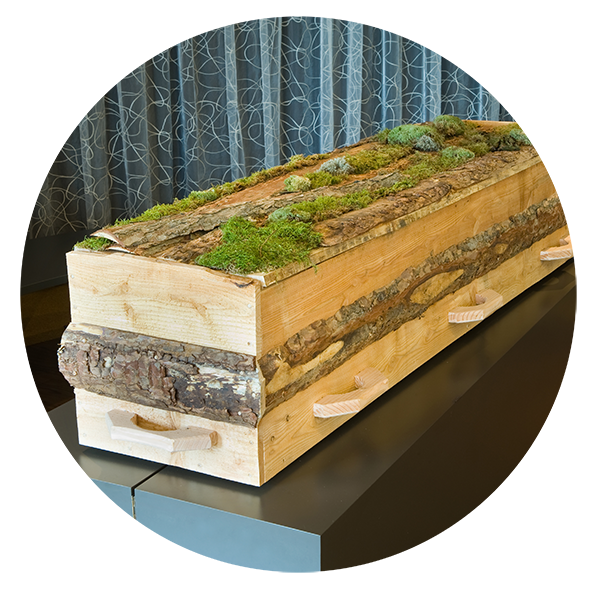
Body Disposal Begins to Tilt Green
|
With eco-conscious baby boomers becoming the prime users of burial services, green burials are on the rise—but still account for a minority of body disposals in the United States.
“If you nursed your babies and you recycle the cardboard in the toilet paper roll, this is going to appeal to you,” Lee Webster, former president of Green Burial Council, told KFF Health News. When Webster began tracking operations that offered green or natural burials in 1998, her list featured just one outfit. Today, that list has grown to 497.
|
Federal Geriatrics Training Support Comes Through
|
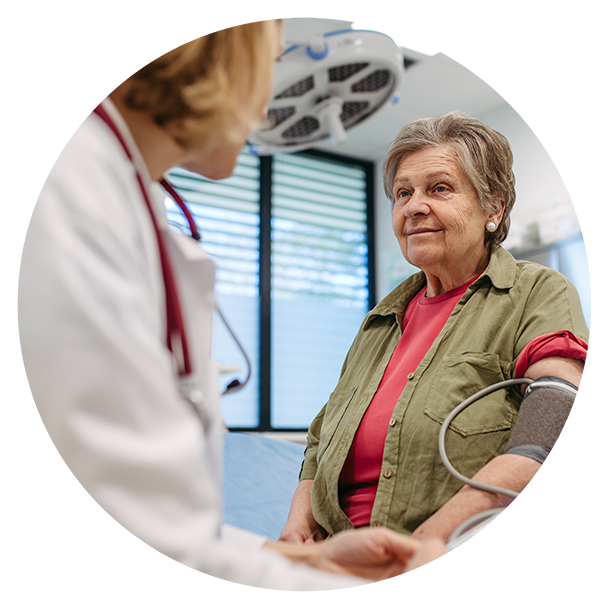
Amid cuts to federal health care systems, one 10-year-old program has been able to maintain its funding: the Geriatrics Workforce Enhancement Program (GWEP). Aiming to address the shortfall of geriatricians with specialized knowledge about treating older adults, GWEP trains roughly 70,000 clinicians in the care of older adults.
|
Someone famous will die that day,
My day,
And the newspaper will report:
“More obituaries on page 24.”
For the curiosity of some,
The regret of several,
And the grief of a few.
Those few, they matter,
So they have a nice walk
In the Marin headlands
shadowed by a weary and worn mountain
(still green! still fragrant!
with pine and transplanted eucalyptus,
and most important: Still there!),
Where I’m proud that the few gather trash,
But drop my ashes downwind,
And remember as I fly away.
|
Support Accessible, Equitable, and Compassionate Deathcare
DONATE HERE
|
© INELDA 2025 International End of Life Doula Association is a
501(c)(3) tax-exempt nonprofit organization that relies on public support to do it’s work.
Tax ID#: 47-3023741
Phone: 201-540-9049
[Account Login]
|
|